North Central · Cultural Triangle
Sri Lanka's medieval capital for over two centuries, Polonnaruwa's temples, monasteries and giant Buddha carvings survive today in far better condition than almost anywhere else on the ancient trail.
The story
Polonnaruwa became Sri Lanka's capital in the 11th century after the fall of Anuradhapura, and for two centuries it flourished as a centre of Buddhist learning and monumental architecture. Unlike many ancient sites on the island, its ruins survive remarkably intact, largely thanks to the dense jungle that reclaimed and protected them after the city's abandonment.
The Gal Vihara's four Buddha statues, carved directly into a single granite outcrop, are considered among the finest stone carving in South Asia. The site is compact enough to explore by bicycle in a single unhurried day, pairing easily with Sigiriya an hour to the west.
What to see
Plan your visit
Where we’d stay
Two choices here. Stay in Polonnaruwa or Giritale and be at the ruins when they open, or base yourself at Habarana and reach Sigiriya, Dambulla and Minneriya in the same hour. Both are below.
Twenty-seven acres of woodland and lake at Habarana, an hour west of the ruins, and the most comfortable base for the whole cultural triangle. Read more
Book direct via Booking.com or Agoda
The only hotel with a proper frontage onto Parakrama Samudra, minutes from the ancient city, and the one place here worth staying for the view alone. Read more
Book direct via Booking.com or Agoda
Individual chalets scattered through gardens above the Giritale tank, halfway between Polonnaruwa and Minneriya and quieter than either. Read more
Book direct via Booking.com or Agoda
A newer, smaller lodge at Habarana with a pool and a gym, and the best-value five-star-listed room anywhere in the cultural triangle. Read more
Book direct via Booking.com or Agoda
Good to Know
Book direct via Booking.com or Agoda
Indicative low-season rate. We may earn a commission on bookings made through these links.
While you are here
In Polonnaruwa, and within reach of it
Polonnaruwa macaques
A troop of toque macaques studied continuously for fifty years, living among the ruins of a medieval capital.
Read morePolonnaruwa by bicycle
A medieval capital spread over several kilometres of shaded parkland, which is why everyone who enjoys it does it on two wheels and does it early.
Read moreThe elephant gathering
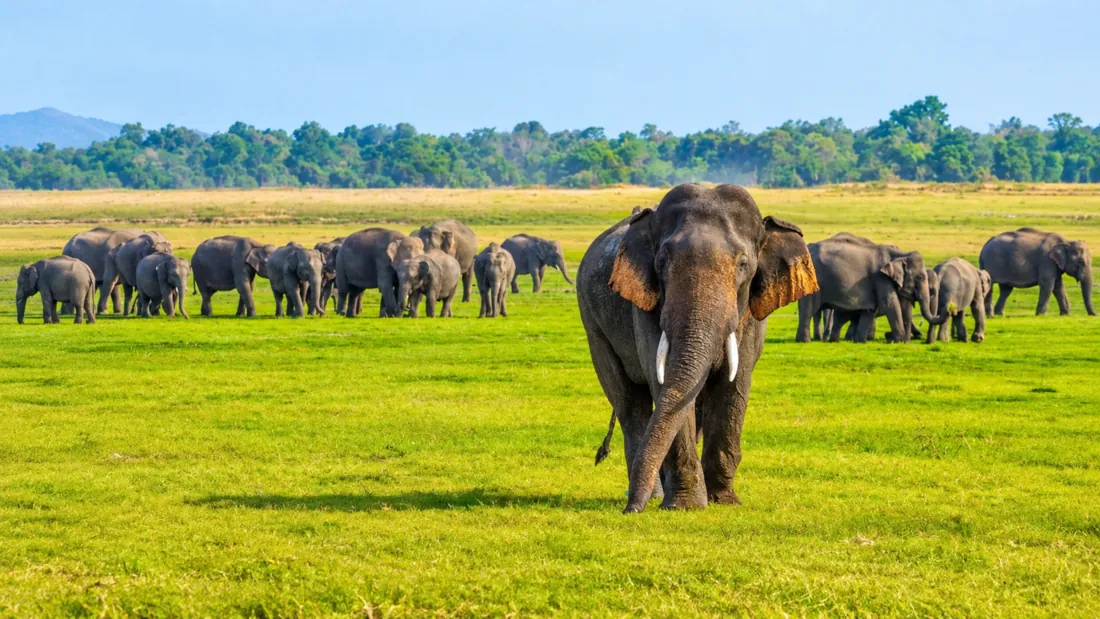
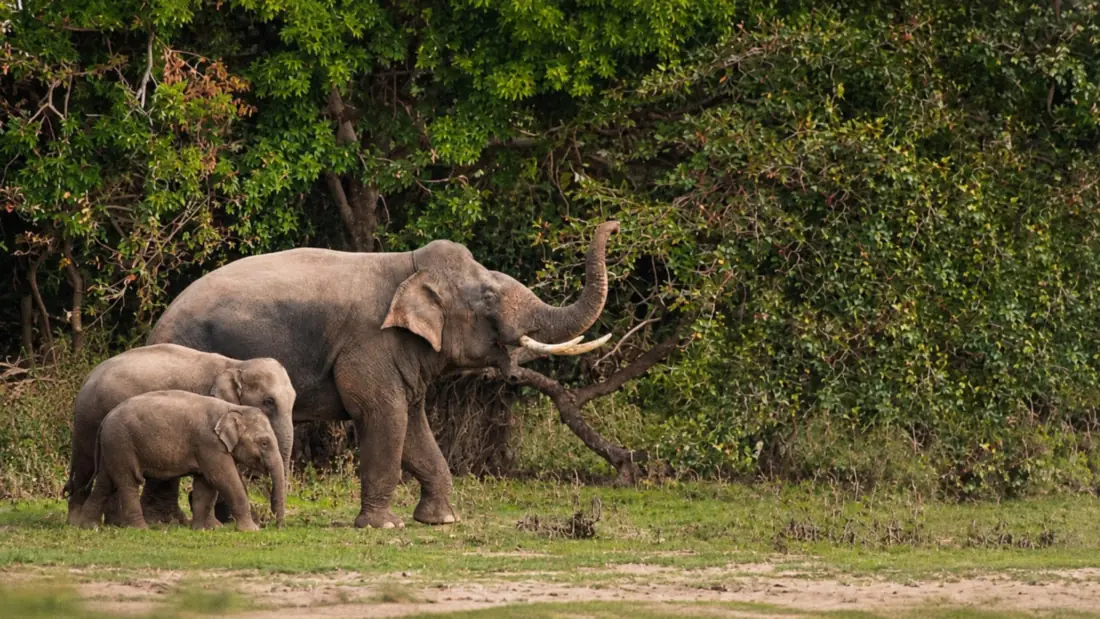
As the tank shrinks in the dry months, hundreds of elephants converge on the grass. The largest gathering of Asian elephants on earth.
Read moreClimb Sigiriya at first light
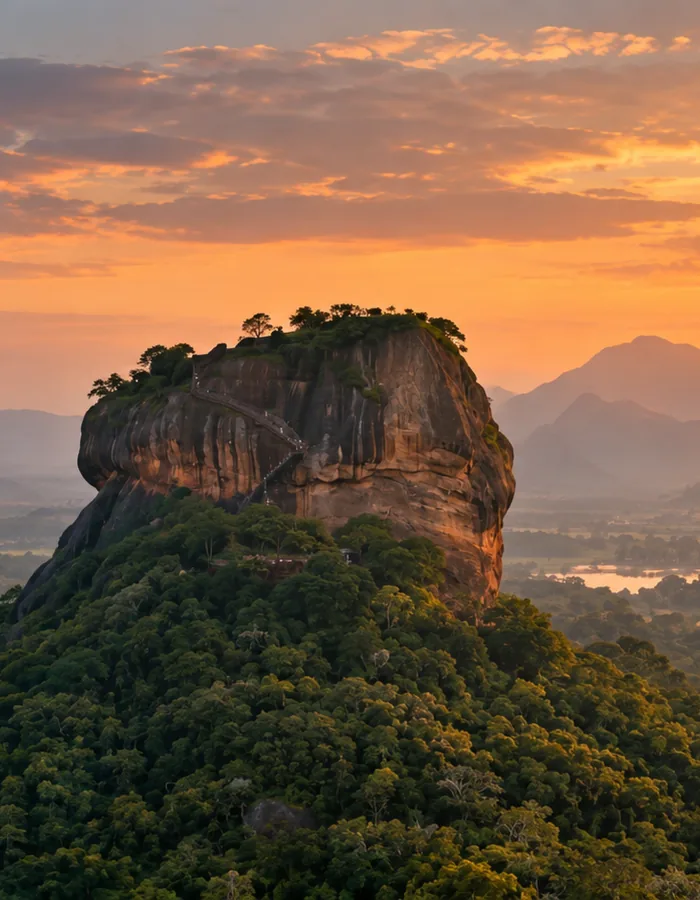
Twelve hundred steps to a fifth-century palace on a two-hundred-metre column of rock. Go at six, before the heat and the coaches.
Read moreReady for Polonnaruwa?
Combine Polonnaruwa with Sigiriya and Dambulla. Our concierge team can put together a complete route, priced and ready to book.