
Itineraries
Sri Lanka itinerary: 12 days
Most itineraries for this country are written by people who have not driven it.
The mistake is always the same. Someone looks at a map of Sri Lanka, notes that it is about the size of Ireland, and plans a route that touches everything. Then they arrive and discover that outside the expressways a hundred and fifty kilometres is four hours, and that the fortnight they imagined has become a week of driving with sightseeing attached.
Twelve days is enough for three regions properly. It is not enough for five. What follows is the version that works, in the season it works in — December through March, when the south and west are dry. If you are travelling mid-year, the same structure applies but you finish on the east coast instead. Only have ten days? Here is the 10-day version.
At a glance. Days 1–2 Negombo; days 3–5 the Cultural Triangle; days 6–7 Kandy; days 8–9 the hill country and the train to Ella; day 10 down to the coast via Yala; days 11–12 the south coast and Galle.
Days 1–2: Negombo, not Colombo
You land at Bandaranaike, which is twenty minutes from Negombo and an hour-plus from Colombo through traffic. After a long flight, take the twenty minutes. Negombo is a working fishing town with a long beach, a lagoon full of outrigger canoes and enough decent hotels to land softly in.
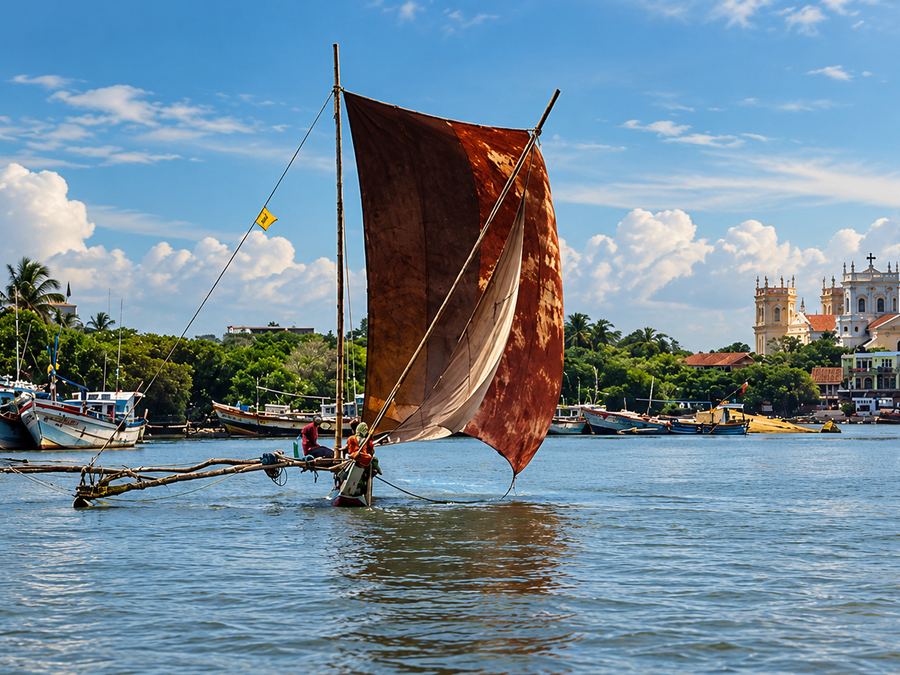
Give it the arrival night and the following morning. Walk the fish market early, which is at its best around six, and let the jet lag settle before you start moving. Colombo is better as a city you visit properly at the end than one you fight through on day one.
Days 3–5: the Cultural Triangle
Four hours north-east to Sigiriya, and the first real day of the trip. Climb the rock at opening — around seven — because there is almost no shade on it and the difference between seven and ten is the difference between a magnificent morning and an endurance event. The frescoes are halfway up, the water gardens make more sense from the top, and Pidurangala across the way gives you the view of Sigiriya itself.
Polonnaruwa is an easy day from the same base and is best done by bicycle, which is how the site is laid out to be seen. Dambulla’s cave temples are on the road. If the months are right, Minneriya is close enough for an afternoon safari, and between roughly July and September the elephant gathering there is one of the genuinely great wildlife spectacles in Asia.
Climb Sigiriya at seven. The difference between seven and ten is the difference between a morning and an ordeal.
Days 6–7: Kandy
Three hours south. Kandy is a lake, a temple containing the Buddha’s tooth relic, and a town wrapped around both. The Temple of the Tooth is worth timing around a puja rather than visiting cold; the drumming changes the whole experience. The botanical gardens at Peradeniya deserve a proper half day rather than the hour most people give them.
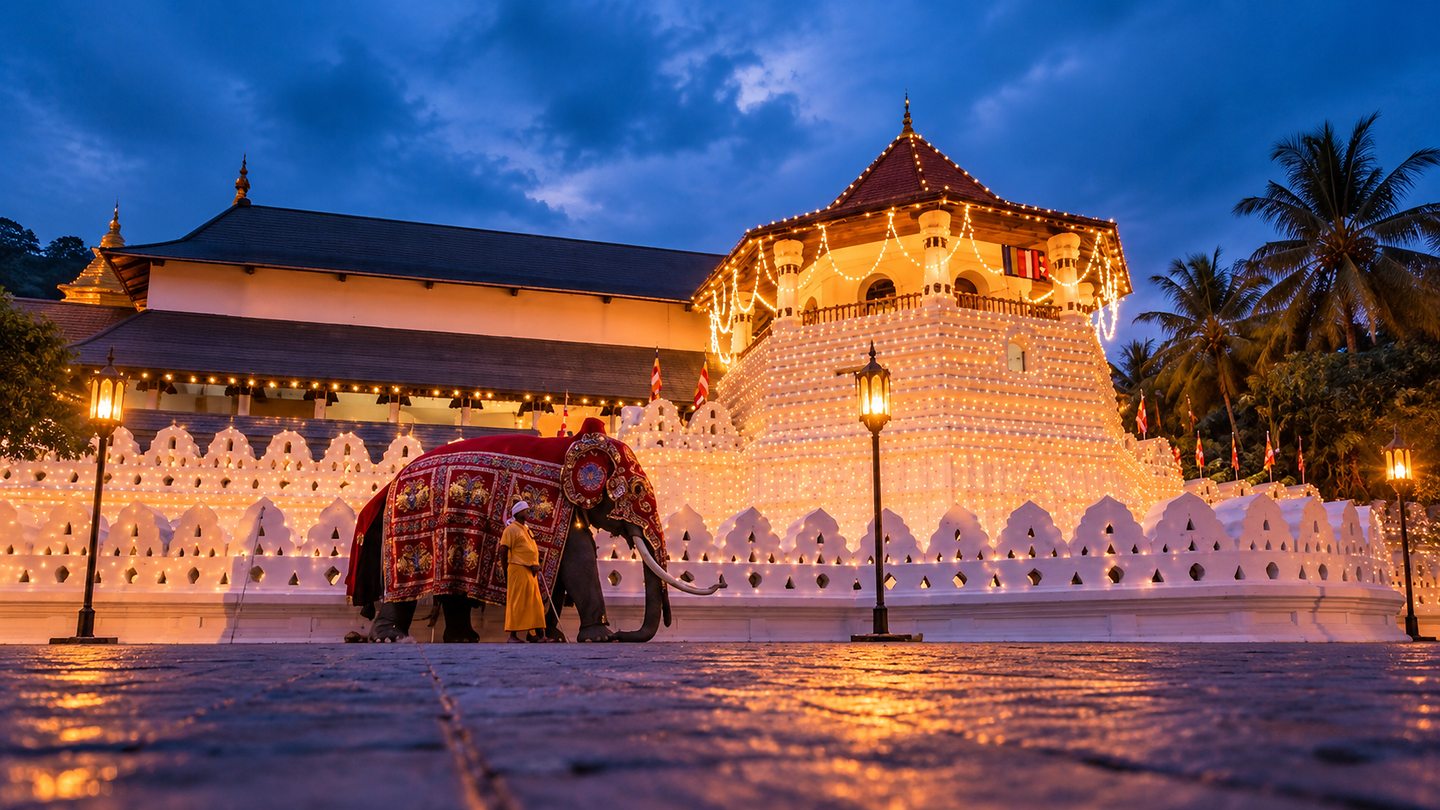
If you are here in July or August the Esala Perahera fills the city for ten nights with elephants, dancers and fire, and Kandy needs booking months rather than weeks ahead. It is spectacular and it is not a quiet stop.
Days 8–9: the hill country
This is the leg that has changed. The Kandy to Nanu Oya railway has been closed since the November 2025 cyclone and is expected back between the end of 2026 and early 2027. So you drive Kandy to Nanu Oya — three to four hours, through Ramboda and the tea estates, and genuinely scenic in its own right — and pick up the train there.
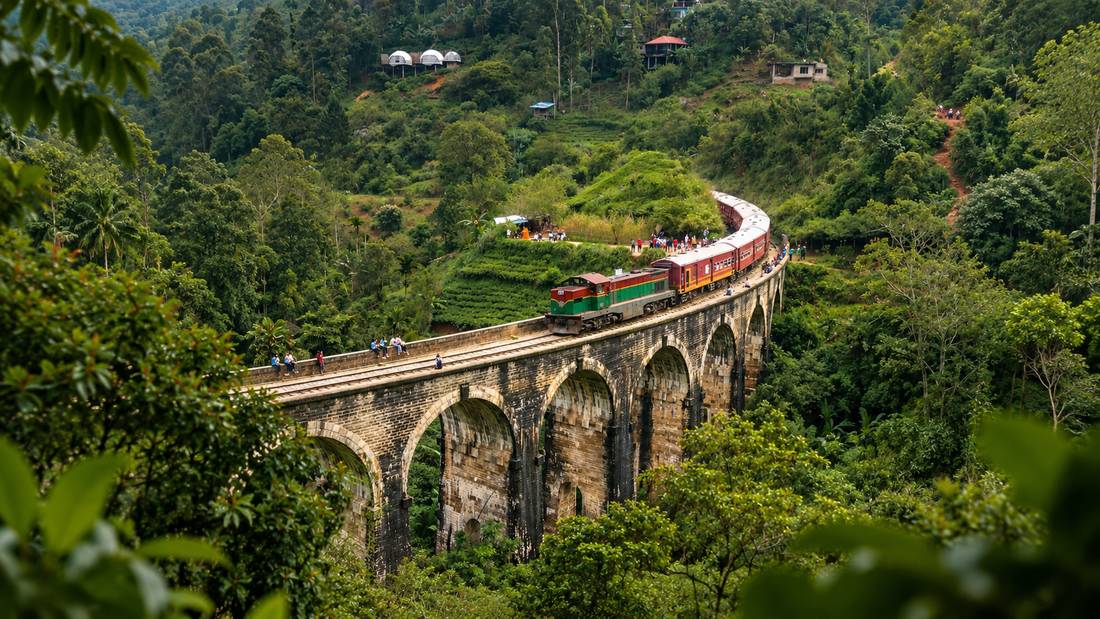
The Nanu Oya to Ella stretch reopened on 20 June 2026 and it is the part everyone comes for: Ambewela, Haputale, the long ridge runs and the Demodara loop before Ella. About two and a half hours. Take the morning departure for the light, sit on the left, and book your seat thirty days out because the good classes go quickly.
Ella itself is small, walkable and busier than it was. Little Adam’s Peak at dawn, the Nine Arch Bridge from below, and a night in a place with a view down the gap.
Day 10: down to the coast, via Yala
The road from Ella down through Wellawaya drops out of the hills into dry forest and changes the country entirely. Yala or Udawalawe are both on the way. Yala has the leopards and the crowds; Udawalawe has the elephants and considerably fewer vehicles. If you have already done Minneriya, Udawalawe is the better second safari.
Days 11–12: the south coast and Galle
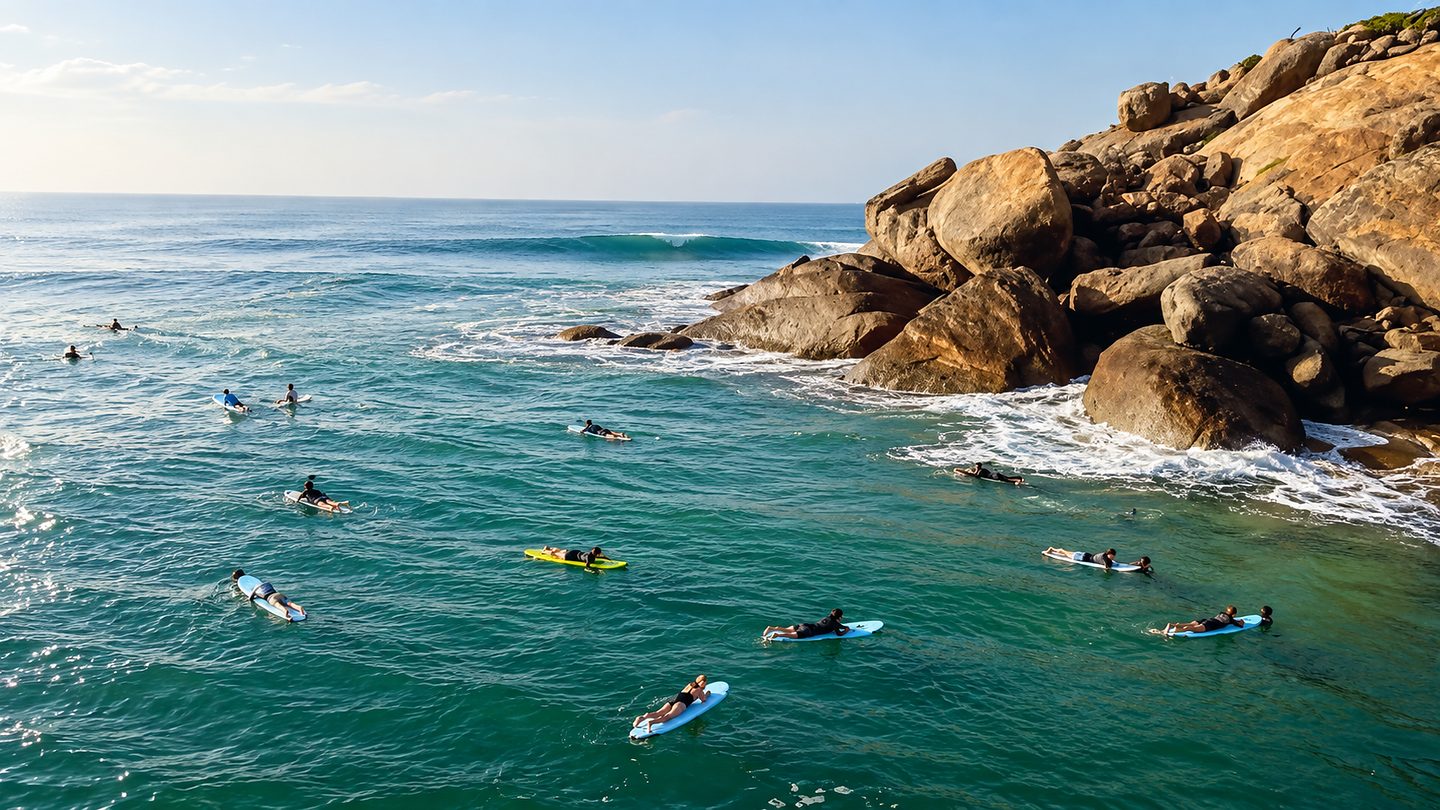
Finish on the coast, and finish slowly. Tangalle and Dickwella are quieter; Mirissa and Weligama are livelier and have the surf schools; Galle Fort is a walled Dutch town you can cover on foot in a morning and want two days for.
Whale watching leaves from Mirissa between roughly December and April, early in the morning and often rougher than people expect. Galle at sunset on the ramparts, with the cricket going on below, is the correct last evening of a Sri Lanka trip and I would not argue about it.
Two or three regions in twelve days. Not five.
The version for mid-year
Between May and September the south is wet and the east is dry, so the shape inverts. Keep the Cultural Triangle and the hill country in the middle — they work most of the year — and finish on the east coast instead: Arugam Bay for surf, Trincomalee for diving and beaches, or Jaffna if you want somewhere genuinely different from the rest of the island.
Have 13 days?
Put the extra night where the route is tightest, which is the hill country. A second night in Ella gives you Little Adam’s Peak at dawn and a slow afternoon, instead of arriving off the train and leaving the next morning. If you would rather spend it on the coast, give it to Galle, which rewards a second full day more than anywhere else on the route.
The one thing not to do with a thirteenth day is add a new region. It turns a trip into a transfer.
What to leave out
Adam’s Peak, unless you are prepared to build a night around it, because the climb starts at two in the morning and costs you the following day. Anuradhapura, if you have already done Polonnaruwa and Sigiriya, unless ancient cities are the point of the trip. And the north, on a first visit of this length — Jaffna deserves three nights of its own and is a poor addition to an already full route.
Twelve days, three regions, one coast. It is not the itinerary that sees the most. It is the one you come home from feeling as though you were somewhere, rather than driving past it.
Follow
Plan around it
Photography: Egle Sidaraviciute (Tea plantation, Nuwara Eliya) · Roxanne Desgagnés (Elephants near Tissamaharama) · Sebastian Latorre (The Sri Lankan coast from the air). Unsplash Licence.

Leave a comment