
Who it’s for
Sri Lanka, on your terms
Since 25 May 2026, the tourist visa for Sri Lanka has cost nothing for nationals of forty countries. Thirty days, double entry, ten minutes online. The fee waiver was announced as a temporary scheme, so check it still applies when you book. It is the clearest sentence a country can say out loud: come.
The more interesting thing is what happens after you land, because this island has a habit of rearranging itself around whoever turns up.
One island, several countries
The Sri Lanka a surfer sees and the Sri Lanka a family sees and the Sri Lanka someone comes to for the temples are, in practice, three different countries that happen to share a coastline.
That is the island's real trick, and it is a function of scale. It is smaller than Ireland. You can be on a surf beach in the morning and in cloud forest by dinner. Nowhere is far, so nothing has to be chosen at the expense of everything else — which means the island does not need you to be a particular kind of traveller before it works.
Here is how that plays out, person by person.
The people who came and said so
In 2017 Anthony Bourdain took Parts Unknown to Sri Lanka for CNN, nine years after he had last filmed here. The episode is not really about food. It is about a country that had just stopped being at war with itself, and what it looked like when the barbed wire came down and people could cross their own island again.
So he did exactly that. He rode the Yal Devi north from Colombo to Jaffna, ate crab curry in a house a family had fought to get back, and finished on the beach at Point Pedro with fishermen arguing about the future. Jaffna crab curry he called "the holy grail of Sri Lankan cuisine." The best cooking on the island, he concluded, is always done by somebody's aunty.
A year later Lonely Planet made Sri Lanka the number one country to visit in the world.
Neither of them was describing a resort. They were describing a place where the default response to a stranger is to feed them, and that has not changed in the years since.
Arriving alone
Sri Lanka is one of the easiest countries in Asia to travel by yourself, and it is women travelling solo who tend to say so loudest.
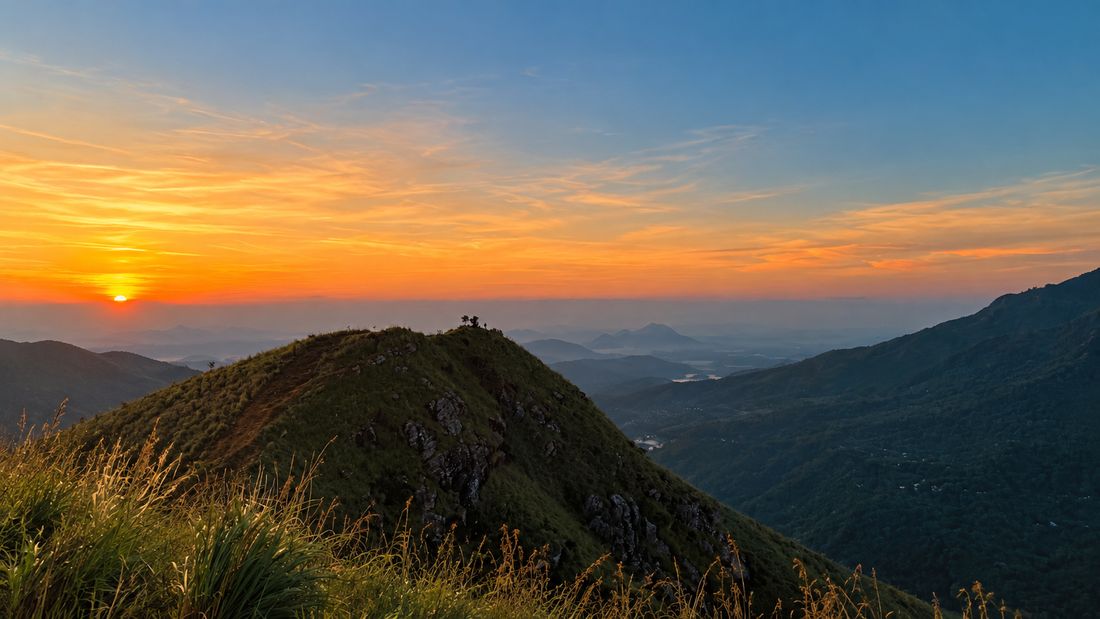
The reasons are practical rather than romantic. The well-worn route through the Cultural Triangle, the hill country and the south coast means you are rarely far from other travellers when you want company and easily alone when you do not. Trains and long-distance buses are cheap, frequent and used by everyone, so a woman alone on one is unremarkable. English is widely spoken. Distances are short enough that no journey commits you to a whole day.
The surf towns of the south — Weligama, Ahangama, Hiriketiya — have built such a strong community of solo travellers that being alone there takes actual effort.
The useful advice is ordinary: carry a sarong or scarf for temples, dress modestly once you are away from the coast and Colombo, and book the first night in each new town in advance so you never arrive somewhere unfamiliar after dark. Staring happens, more curiosity than anything else, and most people stop noticing it around day four.
With children
Families are the travellers this island is quietly built for, and almost nobody markets it that way.
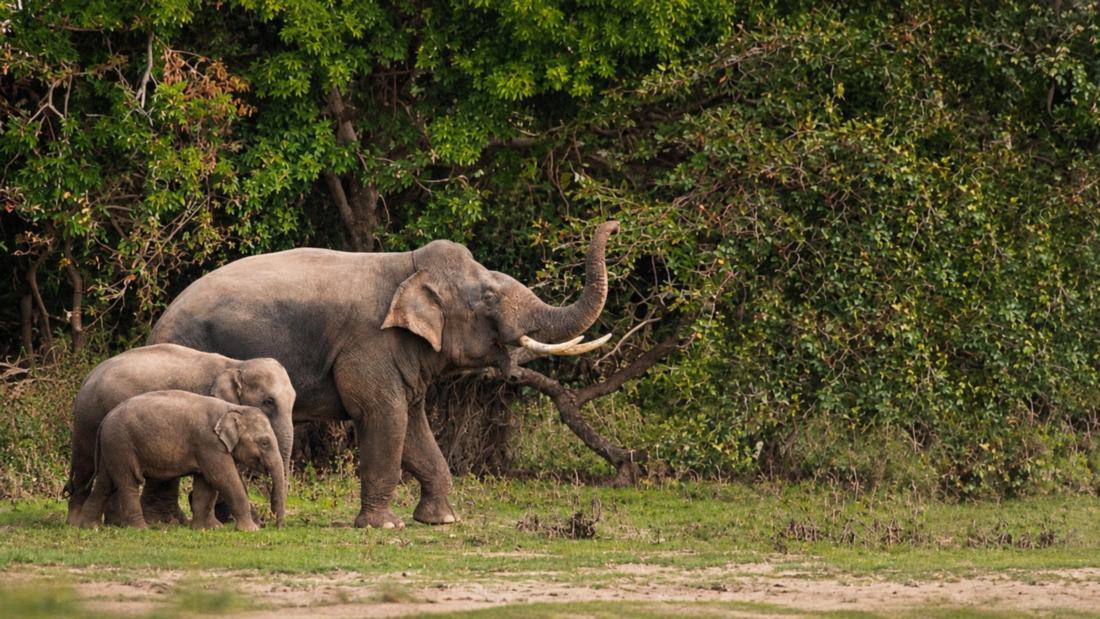
The distances are short. The food is gentle unless you ask for it not to be — rice and curry comes mild without anyone taking offence, and there is always a hopper for the child who has decided this week that they eat only white food. Hotels at every price will find a rollaway bed.
And there is the thing no brochure knows how to say. Children are not tolerated here. They are welcome — in restaurants, in temples, in the front of a tuk-tuk with a driver who has three of his own. Families arriving from more reserved cultures find the attention startling for about a day and then rely on it completely.
The constraints worth building a route around: no drive over about four hours with small children, two nights minimum anywhere worth two nights, and a driver rather than self-drive, which turns every transfer into the part of the day when everyone sleeps.
With a laptop
In February 2026 Sri Lanka launched a digital nomad visa: one year, five hundred dollars, an income threshold of two thousand dollars a month from outside the country. It lets you sign a lease and open a bank account.
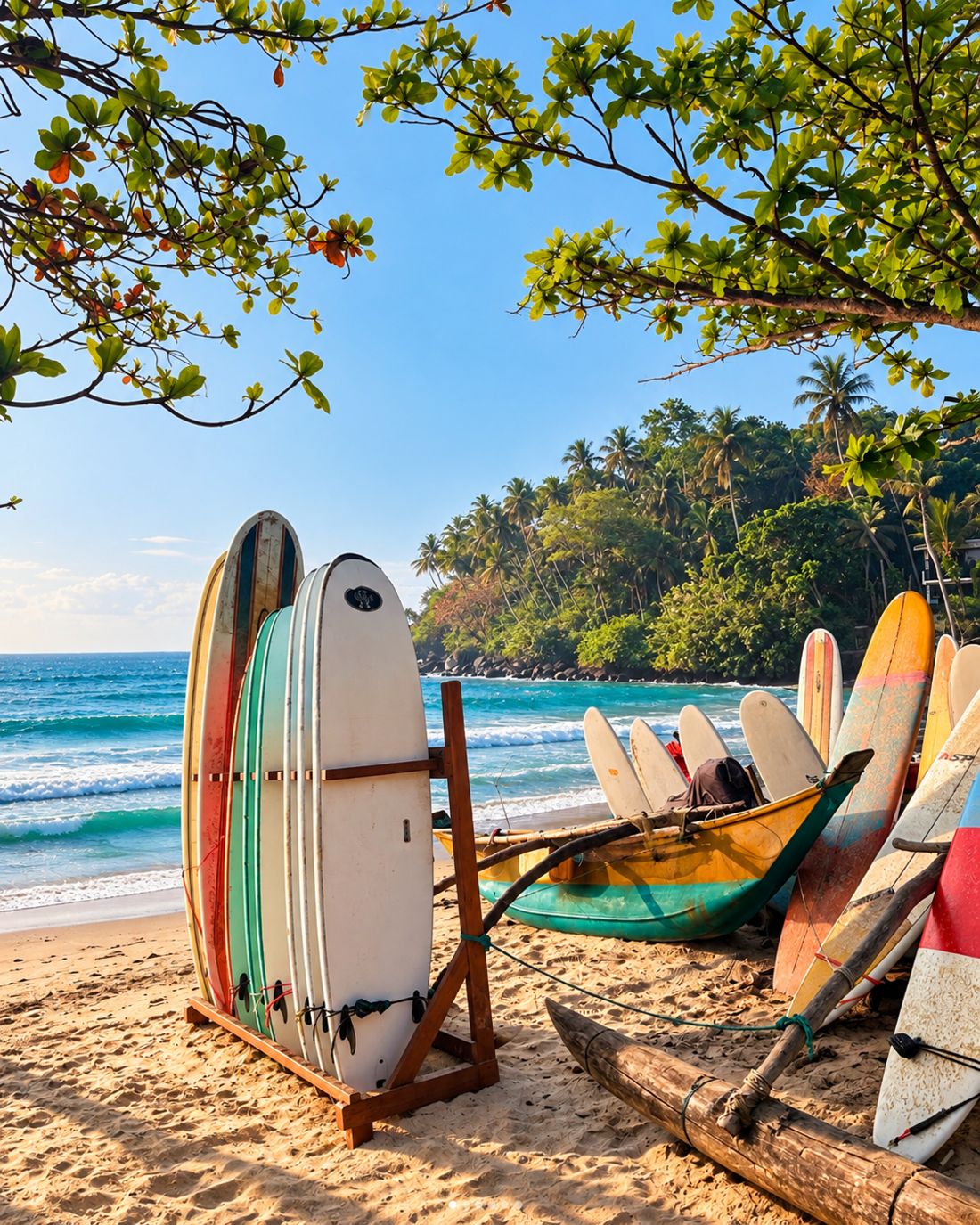
On a tourist visa you can extend in stages to two hundred and seventy days. Living costs run around nine hundred to fourteen hundred dollars a month, which makes it one of the cheapest good bases in Asia. Ahangama and Weligama have turned into genuine remote-work towns on the back of the surf.
The honest caveat is the internet, which ranks poorly by global standards, and the occasional power cut. Fine for calls and documents. Plan a backup if your work is large files to a deadline.
As a same-sex couple
Worth knowing before you book, because most guides skip it.
Sections 365 and 365A of the Penal Code, which date from 1885, remain on the statute book. In May 2023 the Supreme Court of Sri Lanka determined that a bill repealing them would not be inconsistent with the constitution. That bill has not been passed.
In practice the law is not enforced, human rights organisations know of no recent prosecutions of consenting adults, and there is no meaningful prosecution risk for visitors. Hotels in Colombo, Galle and along the south coast book same-sex couples without comment.
One piece of advice that applies to everybody: public affection of any kind is uncommon here outside Colombo and the beach towns, straight couples included. Travel as you would anywhere conservative and the question rarely arises.
Without rushing
Sri Lanka rewards slowness more than almost anywhere in Asia, which makes it unusually good for people who are long past dormitories.
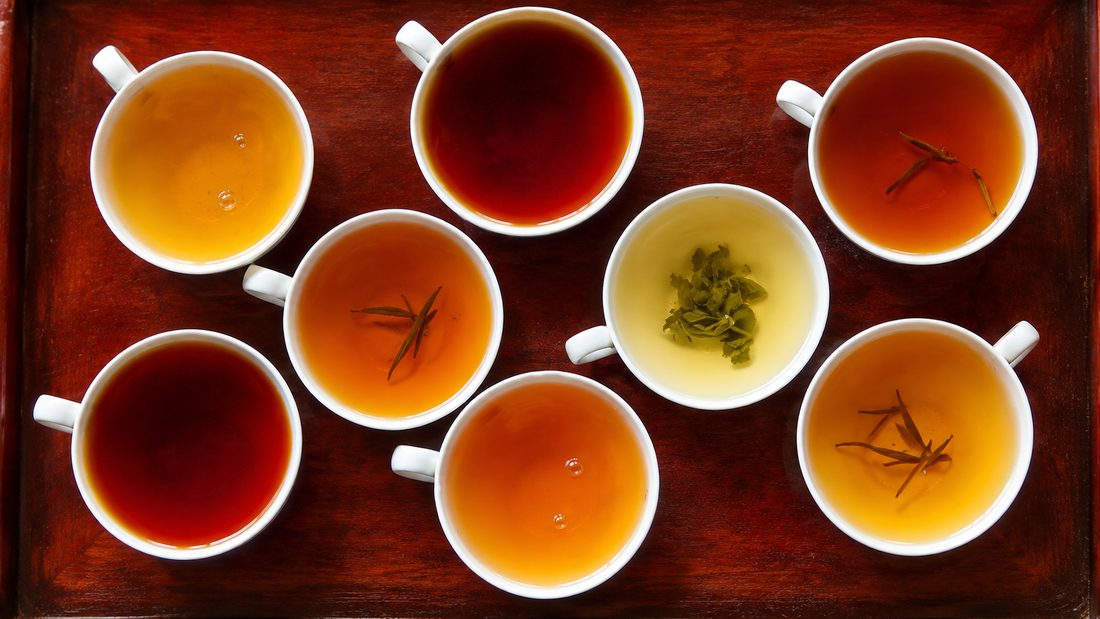
The hill country train exists to be sat on. Galle Fort is a walking town. Ayurveda here is a genuine medical tradition rather than a spa menu, with fortnight-long programmes at places that have been running them for generations. Wildlife is watched from a vehicle. The Cultural Triangle can be done from one comfortable base rather than four.
Short drives, good beds, a driver who knows the roads. None of that requires being twenty-six.
Which island do you want?
The welcome is not the hard part here. The island does that without being asked, and every traveller above will tell you the same story about a stranger at a bus stand who took the question personally.
The hard part is the plan — because six travellers wanting six different things from the same small island will need six different routes, and most itineraries online are written as though there were one.
That is the whole reason we built ours. Seven questions about who you are and how you travel, and the answers change which island you get.
Visa terms are from the Department of Immigration and Emigration. The Penal Code position follows the Supreme Court’s determination of May 2023. The Sri Lanka episode of Anthony Bourdain: Parts Unknown first aired on CNN in 2017.
Plan around it

Leave a comment