
Practical
Is Sri Lanka safe?
Yes. But the things that actually hurt visitors here are not the things they arrive worrying about.
People still ask this because of things that are over. The civil war ended in 2009. The Easter bombings were in 2019 and there has been nothing comparable since. The economic crisis peaked in 2022, the queues and the blackouts are gone, and the country held peaceful elections in late 2024.
Millions of people visit every year without incident, and the classic circuit — Cultural Triangle, hill country, south coast — is about as low-risk as travel gets. The US rates it Level 2, exercise increased caution, the same level it gives the UK, France and Germany.
So the honest answer is yes. The more useful answer is that the risks here are real but they are not the ones in your head.
The sea is the actual danger
Drowning is among the leading causes of tourist deaths in Sri Lanka, and it outranks crime by a wide margin. That sentence is the single most useful thing in this article.
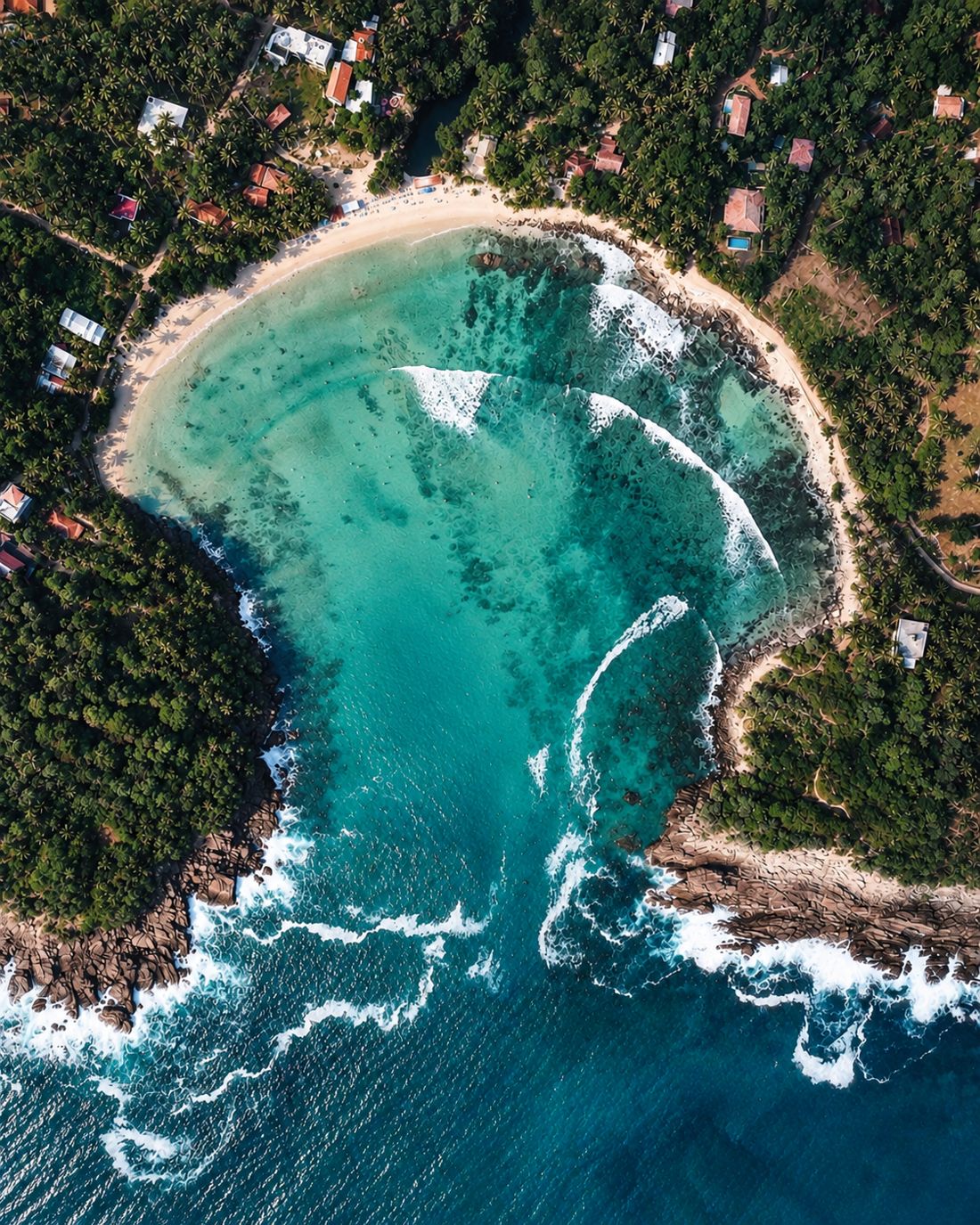
The beaches are beautiful and many are genuinely dangerous. Rip currents are strong, often invisible from the shore, and worst during the monsoon on whichever coast is having it. Lifeguards exist at some beaches and not at most. Bentota, Mirissa, Hikkaduwa and Unawatuna have all had swimmers swept out.
Swim at flagged beaches. Ask your hotel about conditions that morning rather than in general. Do not swim alone, do not swim after drinking, and if you are not a strong swimmer in surf, stay where you can stand. None of this is dramatic advice and all of it is ignored constantly.
The drowning risk exceeds the crime risk. It is not close.
Then the roads
Sri Lankan traffic works on a logic that is entirely coherent from inside and alarming from outside. Buses drive as though they have somewhere important to be, overtaking is optimistic, and pedestrians, dogs and tuk-tuks share the same space as everything else.
This is the main argument for a driver over a hire car, and a stronger one than the parking. If you are on two wheels or in a tuk-tuk, ride defensively and assume nobody has seen you. Night driving on rural roads is worth avoiding where you can.
Crime, in proportion
Violent crime against tourists is rare. What exists is transactional, and it is mostly the same handful of things.
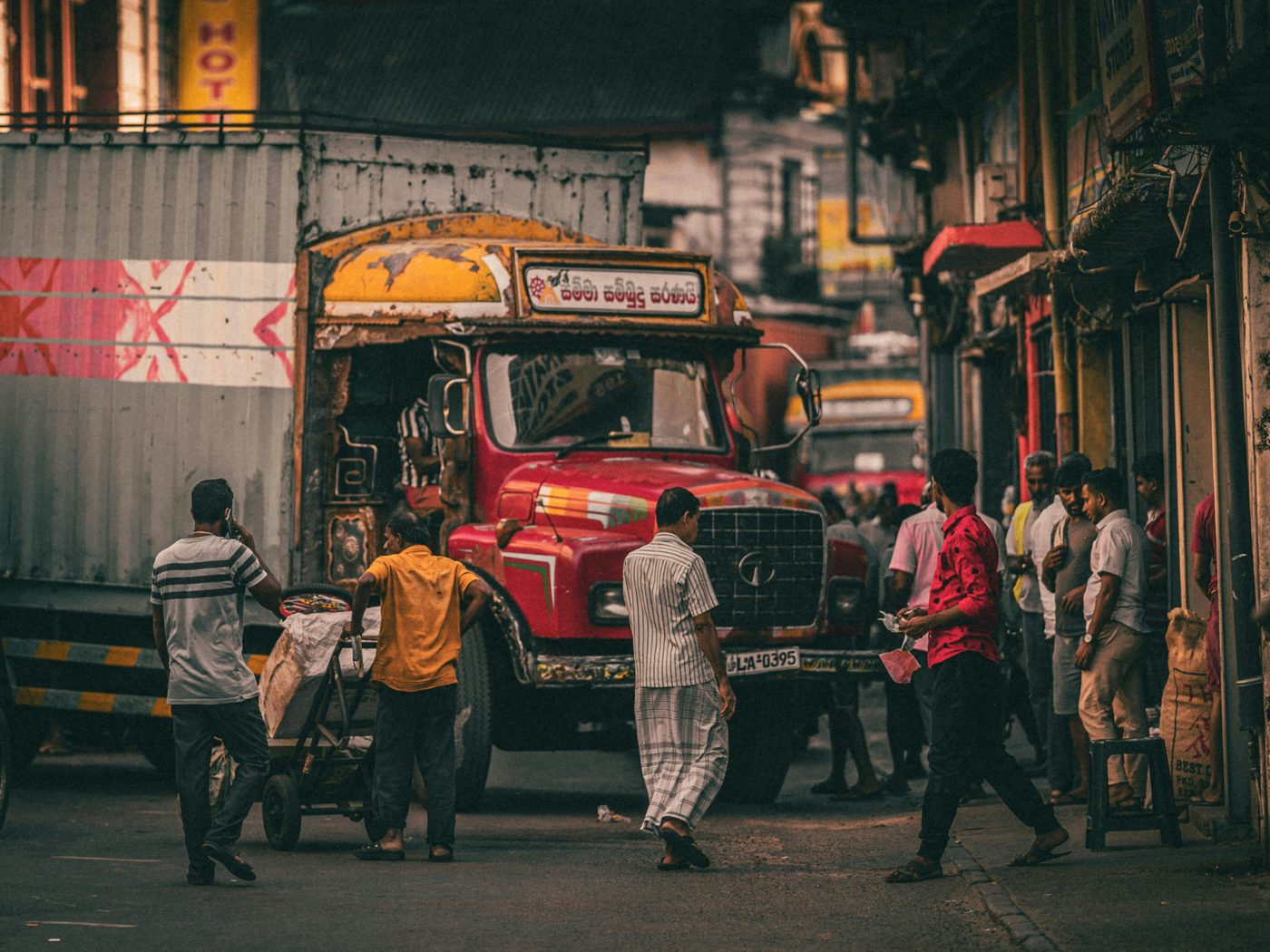
Tuk-tuk fares inflated for foreigners, which is why you agree the price first or use an app. Gem shops, where a driver or new friend takes you somewhere and receives a commission on whatever you buy — do not buy gems on a recommendation. Guides who attach themselves at temple gates and ask for payment afterwards. Pickpocketing in crowds, particularly around Pettah market in Colombo.
None of it is frightening. All of it is easier to head off early than to unpick later, and a polite firm no is understood everywhere.
Solo women
Sri Lanka is generally considered one of the safer countries in South Asia for women travelling alone, and plenty do. It is not free of unwanted attention: staring, comments, and occasional groping on crowded buses and trains are reported often enough to be worth planning around rather than dismissing.
What people who travel here do: dress modestly outside beach areas, use ride-hailing apps rather than street tuk-tuks at night, sit in the carriage or section where other women are sitting, and choose guesthouses with recent reviews from solo travellers. That is not a burden unique to this country and it works.
Health
Dengue is the health risk worth taking seriously, and it is mosquito-borne, so repellent with DEET, particularly around dusk. There is no vaccine you can rely on and no prophylaxis; avoiding bites is the whole strategy. Sri Lanka has been malaria-free since 2016.
Do not drink the tap water. Bottled and filtered water is cheap and everywhere. Street food from busy stalls with high turnover is generally fine — the queue is the quality control.
Private hospitals in Colombo are competent for most things. For anything serious, evacuation to Singapore or Bangkok is the realistic route, which is why travel insurance with evacuation cover is not optional.
Insurance with evacuation cover is not a luxury item here. Buy it.
Wildlife
Wild elephants kill people in Sri Lanka every year, almost all of them locals living alongside them rather than visitors. Still: do not approach, do not feed, do not get out of the vehicle for a photograph, and take seriously any road signed for elephant crossing at night.
Leeches in the hill country during and after rain, which are unpleasant and harmless. Snakes exist and avoid you. Stray dogs are everywhere and are, almost without exception, the most relaxed street dogs in Asia.
Two things worth knowing
Drug offences carry severe penalties, including long prison sentences. There is no version of this where being a foreigner helps.
And parts of the north and east still hold unexploded ordnance from the war. It is signposted, it is not near anywhere visitors go, and it is a reason to stay on marked paths in rural areas rather than a reason to avoid the region — Jaffna is calm and has been for years.
The short version
Take ordinary precautions and you will be fine. Respect the sea more than you think you need to, get in a vehicle with someone who drives for a living, buy proper insurance, and use repellent at dusk.
The rest of it — the thing people are actually nervous about when they type this question into a search box — has not been a live concern for a long time.
Questions people ask
Is Sri Lanka safe for tourists in 2026?
Yes, with the usual precautions. The civil war ended in 2009, there has been nothing comparable to the 2019 Easter bombings since, the economic crisis has passed and the country held peaceful elections in late 2024. Millions of people visit every year without incident.
What is the biggest risk for visitors?
The sea. Drowning outranks crime by a wide margin: rip currents are strong and often invisible, especially on whichever coast is in its monsoon. Swim at flagged beaches, ask your hotel about conditions that morning, and never swim alone. The roads come second, which is why a driver beats a hire car.
Is Sri Lanka safe for solo female travellers?
It is generally considered one of the safer countries in South Asia for women travelling alone. Unwanted attention does happen, so dress modestly away from the beaches, use ride-hailing apps at night rather than street tuk-tuks, and choose places with recent reviews from solo travellers.
Do I need malaria tablets for Sri Lanka?
No. Sri Lanka has been malaria-free since 2016. Dengue is the mosquito-borne risk to take seriously, so use repellent with DEET, especially around dusk. Drink bottled or filtered water, and buy travel insurance that includes medical evacuation.
Is it safe to visit the north and Jaffna?
Yes. Jaffna has been calm for years. Some rural areas in the north and east still hold unexploded ordnance from the war, which is signposted and away from where visitors go, so stay on marked paths in the countryside.
Questions
Is Sri Lanka safe for tourists in 2026?
Yes, with the usual precautions. The civil war ended in 2009, there has been nothing comparable to the 2019 Easter bombings since, the economic crisis has passed and the country held peaceful elections in late 2024. Millions of people visit every year without incident.
What is the biggest risk for visitors?
The sea. Drowning outranks crime by a wide margin: rip currents are strong and often invisible, especially on whichever coast is in its monsoon. Swim at flagged beaches, ask your hotel about conditions that morning, and never swim alone. The roads come second, which is why a driver beats a hire car.
Is Sri Lanka safe for solo female travellers?
It is generally considered one of the safer countries in South Asia for women travelling alone. Unwanted attention does happen, so dress modestly away from the beaches, use ride-hailing apps at night rather than street tuk-tuks, and choose places with recent reviews from solo travellers.
Do I need malaria tablets for Sri Lanka?
No. Sri Lanka has been malaria-free since 2016. Dengue is the mosquito-borne risk to take seriously, so use repellent with DEET, especially around dusk. Drink bottled or filtered water, and buy travel insurance that includes medical evacuation.
Is it safe to visit the north and Jaffna?
Yes. Jaffna has been calm for years. Some rural areas in the north and east still hold unexploded ordnance from the war, which is signposted and away from where visitors go, so stay on marked paths in the countryside.
Plan around it

Leave a comment