
Tea Country
What the tea country is actually for
The British planted tea here because a fungus destroyed the coffee. Almost everything about the hill country follows from that accident.
Ceylon was a coffee island. From 1869 a leaf blight wiped the crop out across the highlands, and the planters, facing ruin, gambled on tea. It worked so completely that the name Ceylon still means tea to most of the world more than fifty years after the country stopped being called that.
What the blight left behind is the landscape people come for: whole mountainsides terraced in a green so uniform it looks synthetic, colonial bungalows on ridges, factories that have not substantially changed their process in a century, and a workforce descended from Tamil labourers brought from southern India to pick it.
Where the tea country is
Broadly the central highlands, and the elevation matters more than the map does. Tea is graded partly by how high it grew.
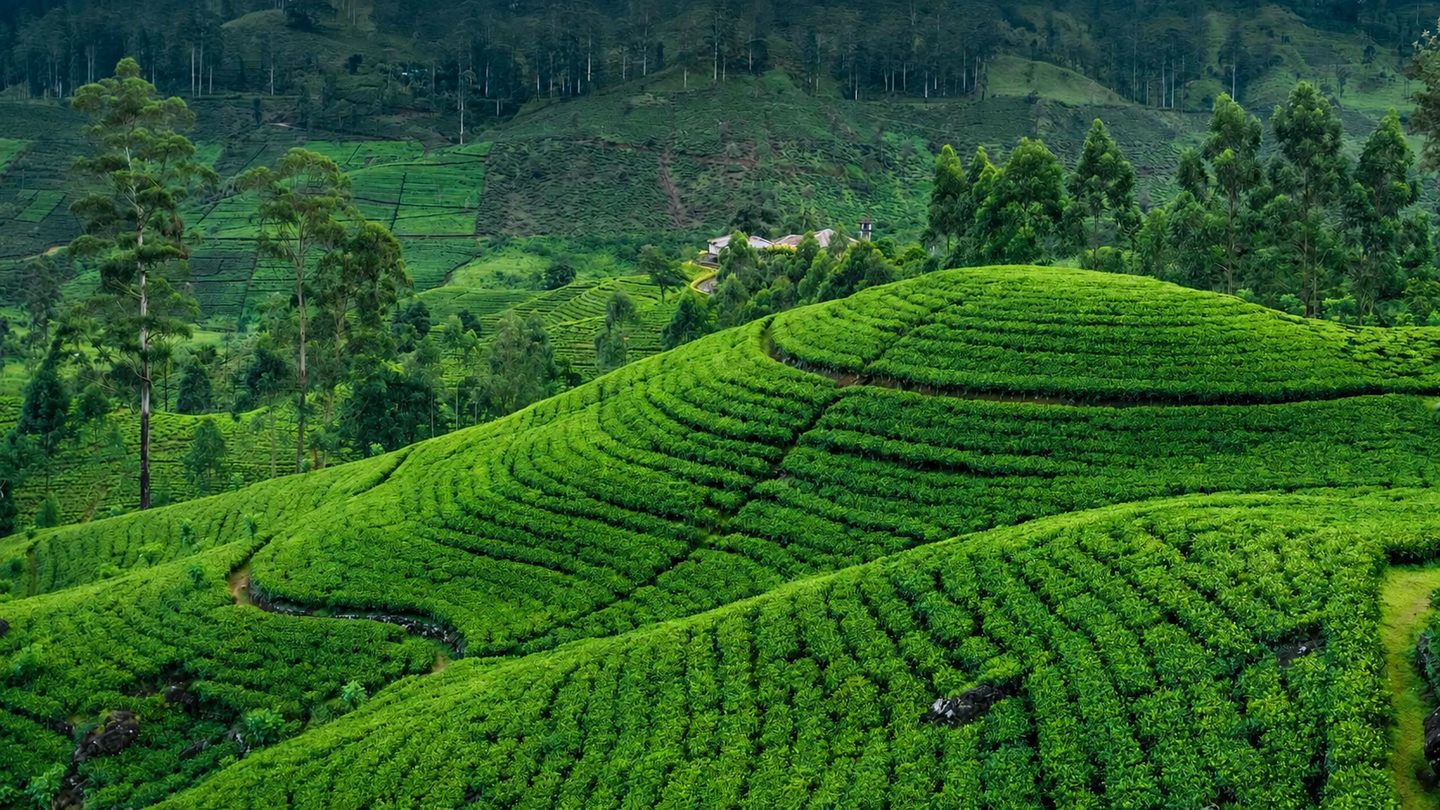
Low-grown, up to around 600 metres, gives strong dark leaf, most of it exported to the Middle East. Mid-grown, from there to 1,200, is the everyday tea. High-grown, above 1,200 metres — Nuwara Eliya, Dimbula, Uva — produces the lighter, brighter, more aromatic teas that made the reputation.
Nuwara Eliya sits at about 1,900 metres, is genuinely cold at night, and is where the British built a town to remind themselves of home. Ella is lower, warmer, prettier and much busier. Haputale, on a ridge with a view down to the south coast on a clear day, is the underrated one.
Elevation is the whole grading system. Higher is lighter, brighter and more expensive.
Getting there, which has changed
The famous train is only partly running. Cyclone Ditwah damaged the line in November 2025 and the Kandy to Nanu Oya section has been closed since. It is expected back in late 2026 or early 2027.
The Nanu Oya to Ella stretch reopened on 20 June 2026 and it is the scenic half — Ambewela, Haputale, the long ridge runs. The line beyond Ella to Badulla, with the Demodara loop, is open too. You drive Kandy to Nanu Oya in about three to four hours through the tea estates, which is a fine drive in its own right, and take the train from there.
Book the reserved seat thirty days ahead. Second class reserved has the same window as the observation car at a fraction of the price.
What a factory visit is actually like
Worth doing once, and once is usually enough. Most working estates run tours and the process is genuinely interesting: withering troughs where leaf loses moisture overnight, rolling machines that break the cells and start oxidation, the oxidation room itself where the leaf turns from green to copper, firing, then sorting through progressively finer mesh into the grades.
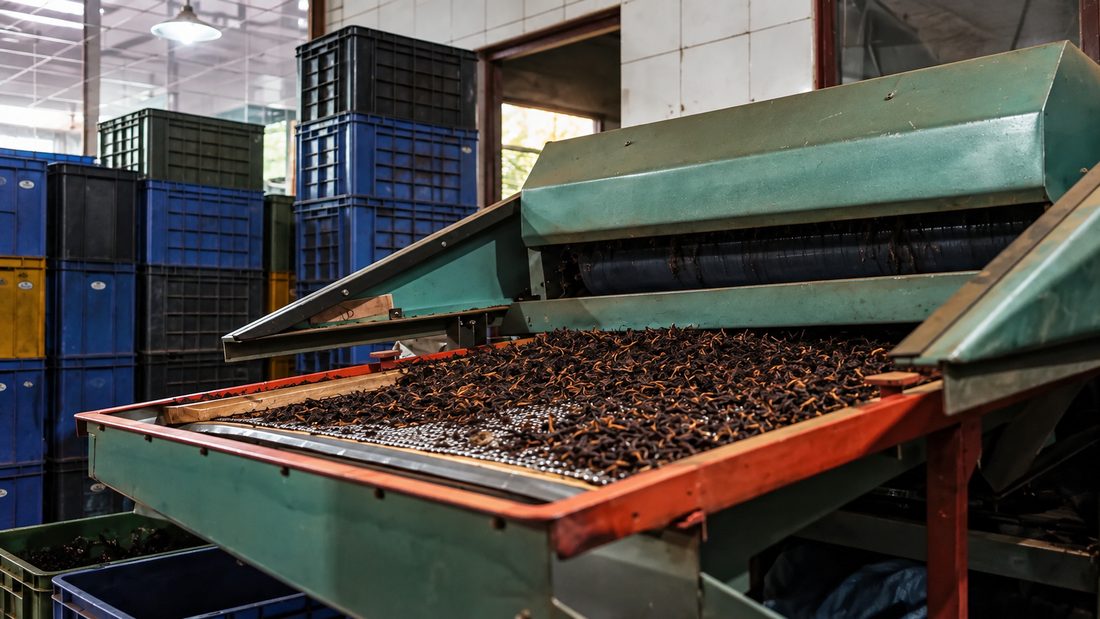
Those grades — the alphabet soup of BOP, FBOP, OP, Dust — describe leaf size and appearance, not quality, which is the thing most tours skate over. A large intact leaf and a fine dust from the same estate on the same day are the same tea sorted differently.
Factories are noisy, hot and smell extraordinary. Go in the morning when they are actually processing rather than in the afternoon when the leaf is still coming in.
The picking
You will see the pluckers, almost all women, moving along the rows with bags on their backs. Two leaves and a bud is the standard, done at speed, all day, on a slope.
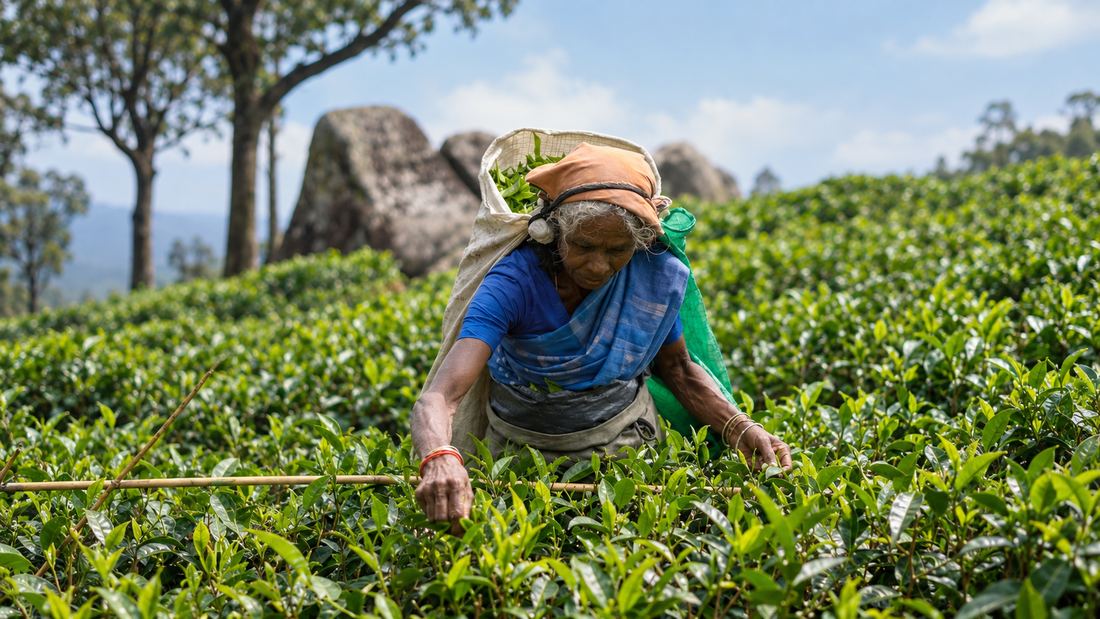
It is worth knowing that the estate workforce is descended from labourers brought from Tamil Nadu in the nineteenth century, that their pay and housing have been a live political issue for decades, and that the daily wage remains low by any measure. Estates vary a great deal in how they treat people. If you are choosing where to stay or what to buy, it is a reasonable thing to ask about.
Ask an estate about wages and housing. The good ones answer.
Staying on an estate
This is the thing to do rather than the factory tour. A number of planters' bungalows have been converted, keeping the fireplaces, the verandas and usually the original furniture, with a cook and a staff who have often been there for decades.
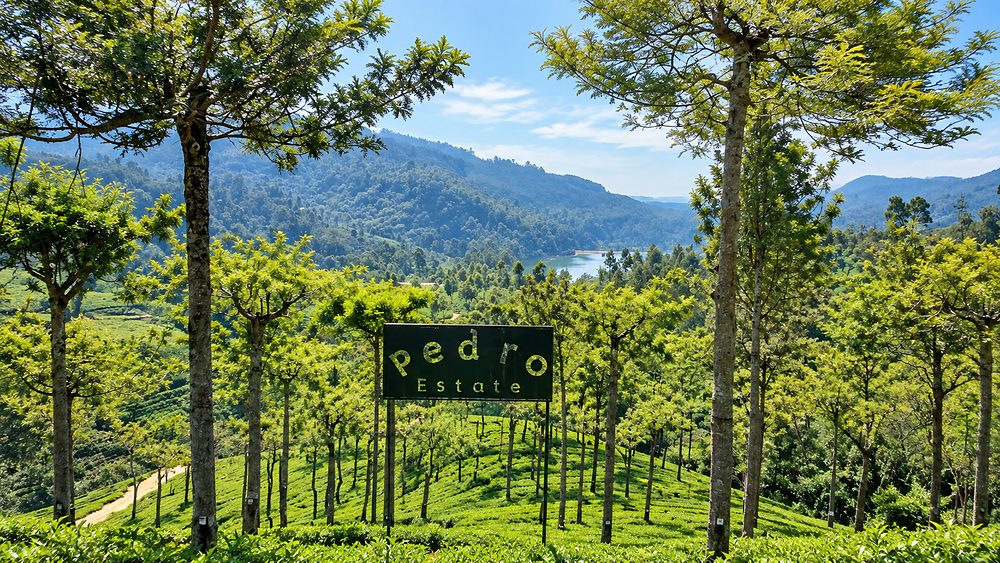
It is not cheap and it is worth it — you get the estate at dawn, mist filling the valleys below, and nobody else in it. Nuwara Eliya, Dickoya, Bogawantalawa and the Uva side all have them.
Bring warm clothes. Visitors consistently underestimate how cold 1,900 metres gets after dark, and many of these houses were built for people who wanted a fire in the evening.
Buying tea
Buy at the estate or at a proper tea shop, not at the airport. Ask for single-estate high-grown if you want to taste the thing the region is famous for; most of what is sold as Ceylon tea abroad is blended across estates and elevations.
And drink it as it is served here — strong, often with milk, sometimes with an alarming amount of sugar. The delicate approach is an export idea.
Plan around it

Leave a comment