
Wellness
Ayurveda, and how to tell it from a spa menu
A ninety-minute oil massage is not Ayurveda. It is a massage with oil, sold at a markup, in a country where the real thing is available.
The distinction matters more here than almost anywhere, because Sri Lanka is one of the few places where Ayurveda is not an imported wellness product. It is written into the national healthcare system. There is a government Department of Ayurveda and an Ayurvedic Medical Council. Practitioners train for years and are registered. People use it for actual medical complaints, not as a holiday treat.
Which means two entirely different things are sold to visitors under the same word, at similar prices, and telling them apart is straightforward once you know what to ask.
The one question
Is there a registered Ayurvedic physician on site, and will I have a consultation with them before any treatment?
At a genuine centre the answer is yes and the consultation is the first thing that happens. A doctor takes your pulse, asks about sleep and digestion and history, assesses your constitution, and then prescribes — treatments, oils, and a diet. Everything that follows is specific to you.
At a spa the answer is some version of no, or a therapist described in vaguely medical language. What you get is a menu: pick a treatment, pick a duration. That is a perfectly nice massage. It is not Ayurveda, and it should not cost what Ayurveda costs.
A menu is the tell. Real Ayurveda does not let you choose your own treatments.
Time is the other tell
This is where most visitors get it wrong, and where the honest answer is inconvenient.
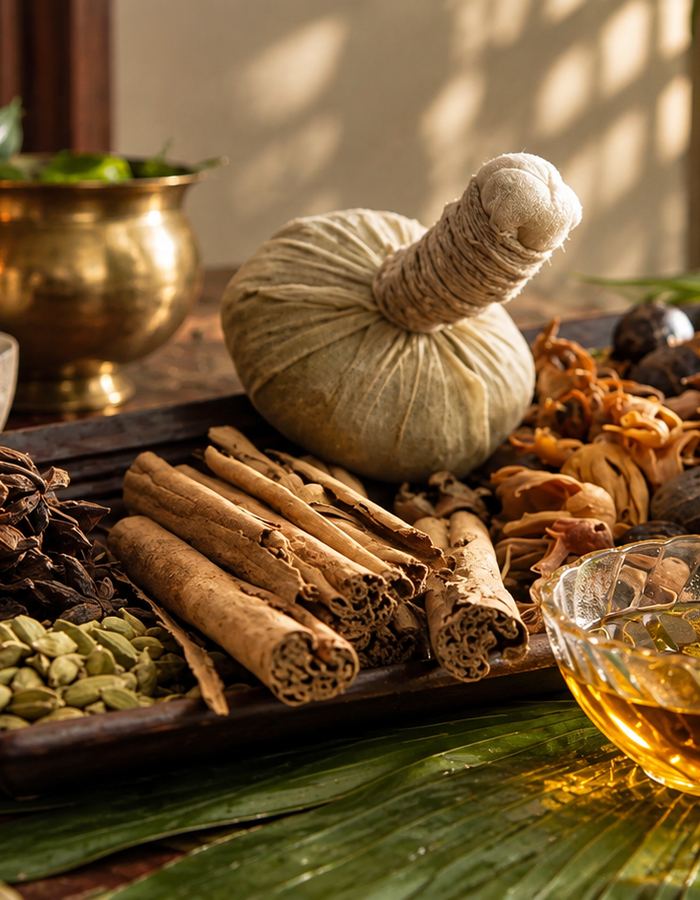
Three to five days is an introduction. You will be relaxed, you will learn your dosha, you will enjoy it, and it will not do anything therapeutic. That is fine as long as you know that is what you bought.
Seven days is the minimum for anything with a real effect. Panchakarma — the full detoxification protocol, which is what people mean when they talk about doing Ayurveda properly — needs fourteen to twenty-one days, and twenty-one is where it is complete rather than truncated. Chronic conditions can call for a month or more.
The reason is structural, not commercial. Panchakarma has phases: preparation, cleansing, then rejuvenation. Compress it and you get the unpleasant middle without the part that puts you back together.
What it costs
A three to five day introduction runs roughly $150 to $400 all in. A week with daily treatments and full board, $400 to $800. A proper fourteen to twenty-one day Panchakarma, $800 to $2,500 depending on where and how intensive.
At the clinical end, expect $150 to $400 a night all-inclusive. That buys a genuine physician and properly prepared medicines rather than bottled oil, which is most of what you are paying for.
At the other end, small physician-run guesthouses near Kandy and Negombo offer authentic treatment from around $30 a night. Less comfortable, no infinity pool, same medicine.
What actually happens
Abhyanga, a two-therapist synchronised oil massage that is nothing like a spa massage and is not especially relaxing the first time. Shirodhara, warm oil poured in a continuous stream onto the forehead, which is the one that undoes people. Herbal steam. Nasal and purgative treatments during Panchakarma that are exactly as undignified as they sound.
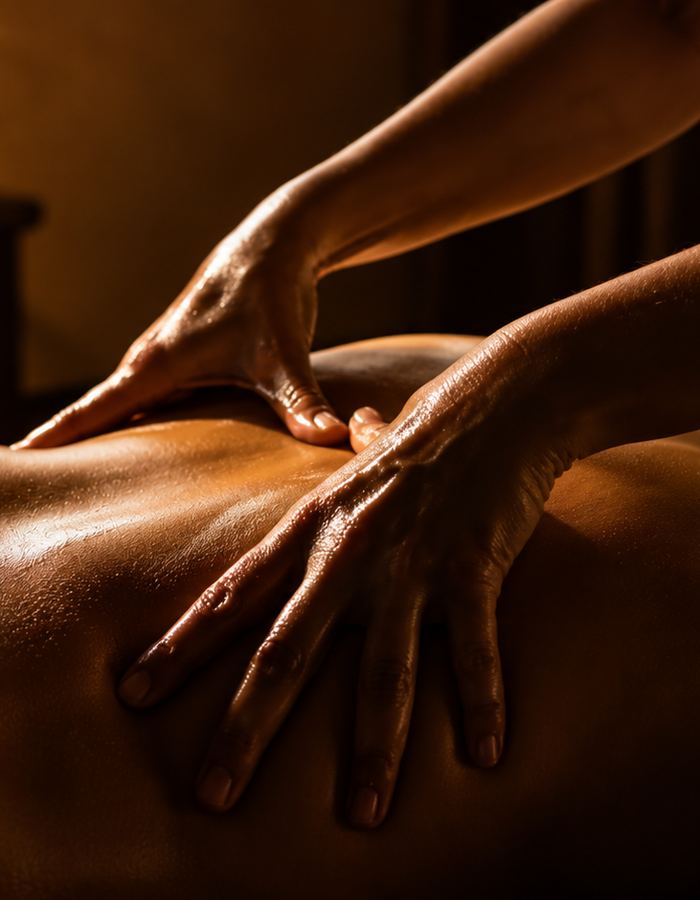
And food, which is treatment rather than catering — vegetarian, spiced to your constitution, and often plainer than you would like. No alcohol. Frequently no coffee.
The mistake almost everyone makes
Working through it. Answering email, taking calls, keeping the phone on. Reduced sensory input is part of the protocol rather than an atmospheric preference, and treating the retreat as a nice place to work from cancels most of what you are paying for.
Commit or do not go. A week of half-attention costs the same as a week of the real thing.
A week of half-attention costs the same as a week of the real thing.
Where, and when
The established centres cluster on the west coast around Beruwala and Bentota — Barberyn at Beruwala, open since 1968, added its Ayurveda centre in 1984 and pioneered the idea — with a newer generation in the hills near Kandy where the air is cooler and the setting does some of the work.
West and south coast programmes are best between November and April, which is the dry season there. The hill country is more forgiving year-round.
Who should not do it
Panchakarma is physically and emotionally demanding and is not appropriate during pregnancy, with an acute infection, or for the very young or elderly without careful medical supervision. A good physician will decline to treat you if it is not appropriate, and that refusal is a sign you are in the right place.
It also works alongside conventional medicine rather than instead of it. Any centre suggesting otherwise is one to leave.
Plan around it

Leave a comment