
Practical
Twelve things I wish I’d known before Sri Lanka
None of this is in the brochure. All of it will save you an afternoon.
Sri Lanka is an easy country to travel and a surprisingly easy one to get wrong. Not dangerously wrong — wrong in the way that costs you a morning, or a booking, or the good light. Most of it comes down to things that are obvious once you have been here a fortnight and invisible before you arrive.
1. Free visa does not mean no visa
Since May 2026 the tourist ETA has cost nothing for forty nationalities. It is still compulsory and still applied for online before you fly. The airline checks it at check-in, and immigration can check it again on arrival. The fee waiver was announced as a temporary scheme, so check it still applies when you book. People are being turned away at check-in for assuming the fee removal meant the requirement went with it. Apply a week out. It takes ten minutes.
2. Break your notes at the first opportunity
Cash machines dispense five-thousand and two-thousand rupee notes. Tuk-tuk drivers, market stalls, small cafés and temple donation boxes cannot change them, and will spend ten minutes trying rather than tell you so. Break large notes at a supermarket or your hotel the moment you have them, and keep a working float of small ones. This is the single most useful habit on a trip here, and nobody tells you.
Cards work in hotels and supermarkets and almost nowhere that matters.
3. Poya days are dry days
Every full moon is a public holiday. Government offices close, some businesses shut, and alcohol is not sold in shops. Bars and liquor shops close, and many hotels will not serve alcohol in public areas, though some will bring it to your room, but if you had planned to buy a bottle of arrack for the veranda, buy it the day before. There is one every month, and the date moves with the moon, so check the calendar.
4. Do not hire a car
You can. Almost nobody sensible does. A driver-guide for the whole trip costs less than most visitors expect, removes the two hardest parts of travelling here — the roads and the parking — and comes with someone who knows which of two apparently identical turnings is the one that floods. Sri Lankan traffic runs on a system of horn signals and mutual anticipation that is entirely legible from the passenger seat and entirely opaque from the driver’s.
5. The famous train is not running in full
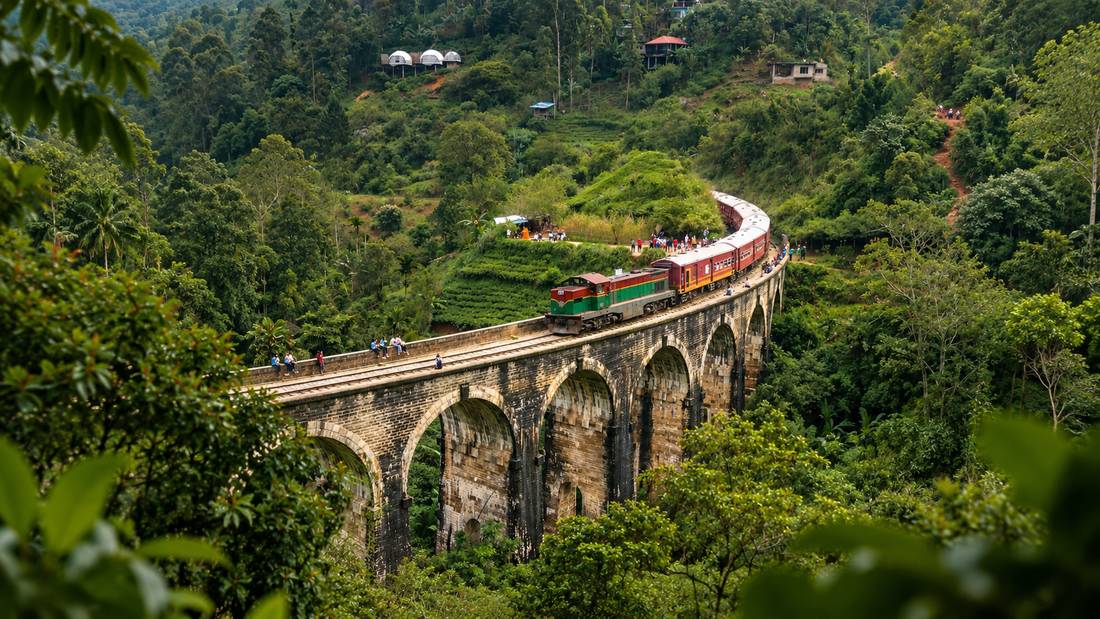
Cyclone Ditwah damaged the hill country line badly in November 2025 and the Kandy to Nanu Oya section is still closed. The scenic stretch, Nanu Oya down through Haputale and the Demodara loop into Ella, reopened on 20 June 2026. You reach Nanu Oya by road, three to four hours from Kandy, and pick the train up there. Almost every itinerary written before November 2025 is wrong about this, and some booking sites will still sell you a Kandy departure that does not exist.
6. Cover your shoulders and take off your shoes
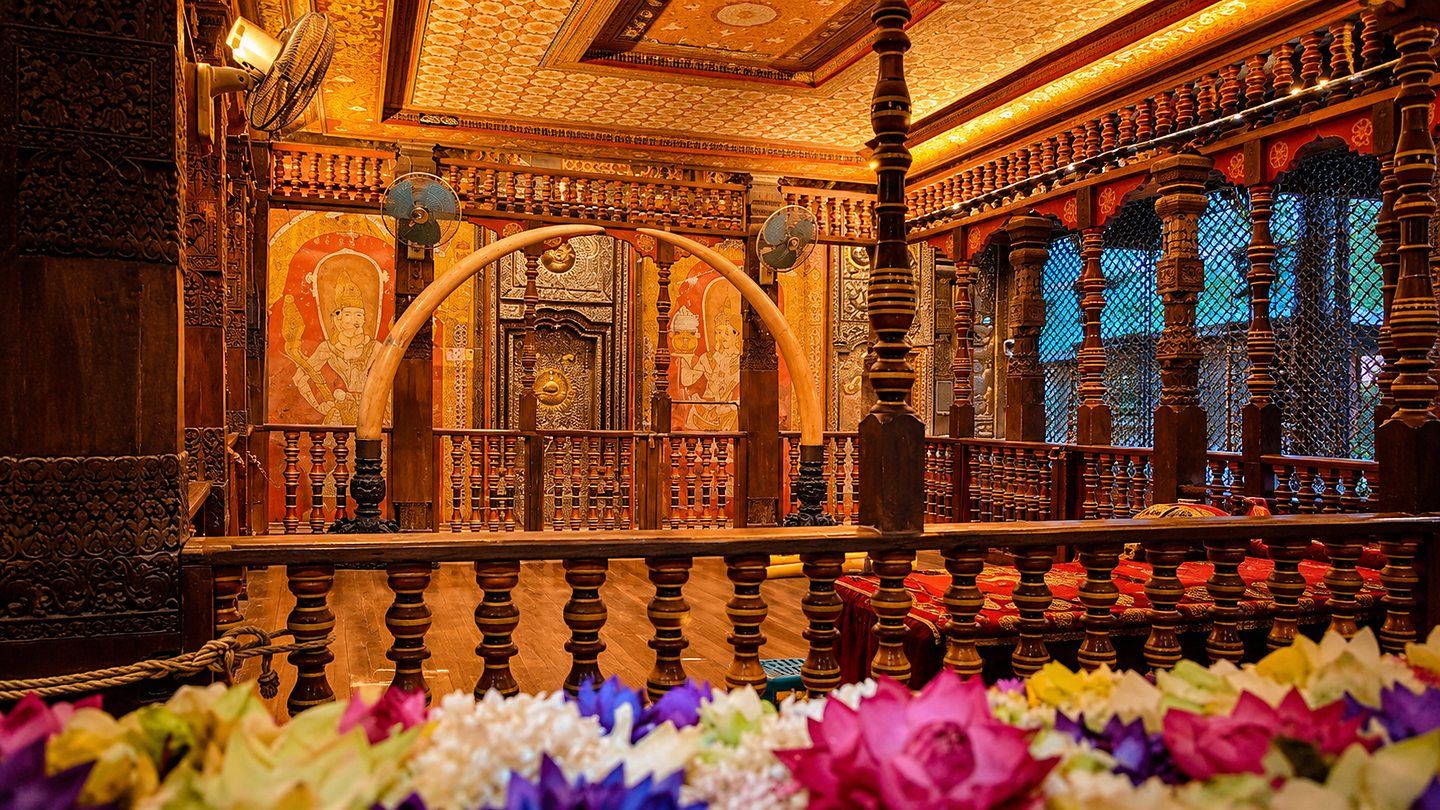
At every temple, without exception, and it applies to men as much as women. Shoes come off outside, and so do hats. Socks are fine and on hot stone they are a mercy. There will be someone minding footwear for a small fee; pay it. And never pose with your back to a Buddha image for a photograph — it reads as deliberate disrespect, and it is the one piece of etiquette that reliably upsets people.
7. The two coasts are never in season together
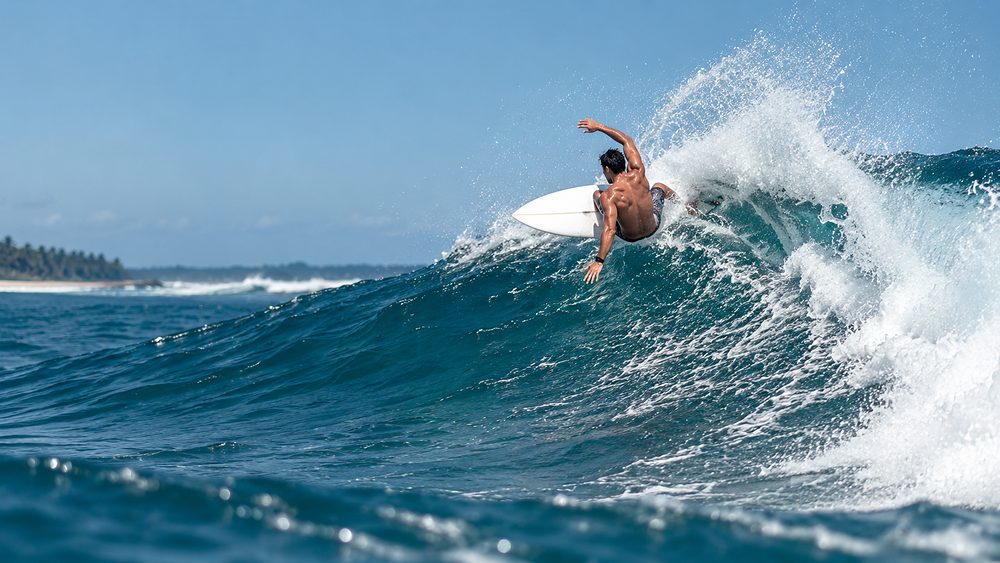
Two monsoons arrive at opposite ends of the island. December to March is dry in the south and west; May to September is dry in the east and north. This sounds like a limitation and is actually the opposite — there is somewhere worth being in almost every month. But it means a fortnight that includes both Mirissa and Arugam Bay will have you on a wet beach for half of it.
8. Start early, stop at noon
The heat between eleven and three is not a matter of discomfort so much as arithmetic: you will do less, see less and enjoy it less. Sigiriya at seven in the morning is a different rock from Sigiriya at midday, and the same is true of every walled town, temple complex and market on the island. Locals structure the day around this. Copy them.

Sigiriya at seven is a different rock from Sigiriya at midday.
9. Distances lie
The island is roughly the size of Ireland and looks eminently crossable on a map. Outside the expressways, average speeds are low, roads wind, and a hundred and fifty kilometres can take four hours. Plan two or three regions in ten days rather than five. The single most common mistake first-time visitors make is booking a route that reads beautifully and turns into a week in a vehicle.
10. Rice and curry is not a dish
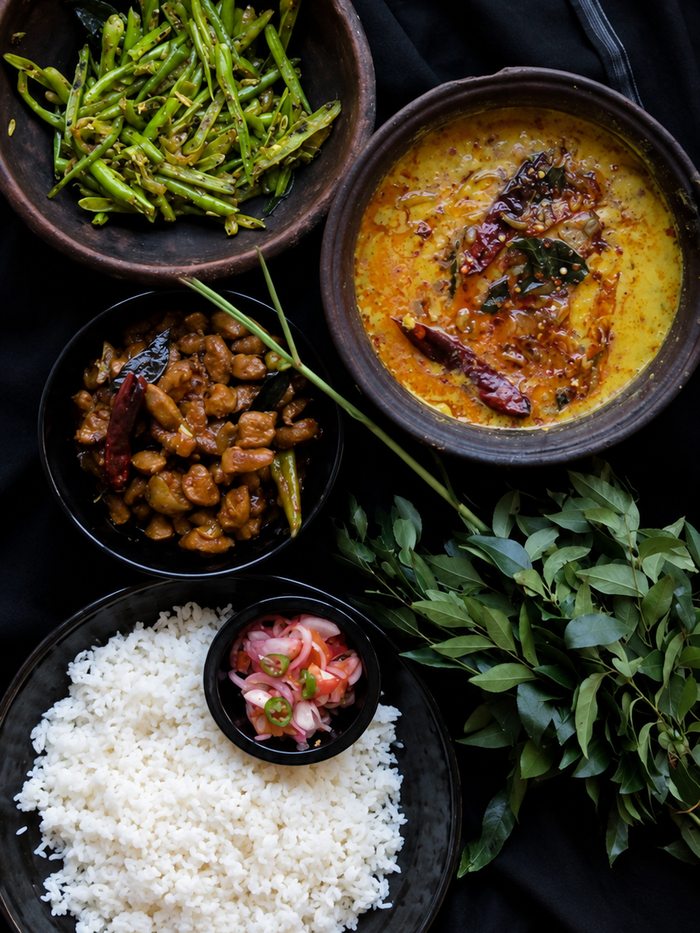
It is a format: rice, and then anywhere from three to a dozen small curries arranged around it, meant to be combined in different proportions with each mouthful. Ordering it and eating each dish separately is like ordering a chord and playing the notes one at a time. Ask which is the hottest before you commit — the pol sambol usually is — and use rice to temper rather than water.
11. Agree the tuk-tuk fare first
Or use a ride-hailing app where there is coverage, which meters it and removes the negotiation entirely. Neither is a criticism of drivers; it is simply that an unagreed fare at the end of a journey is an awkward conversation in any country. In towns without app coverage, ask your hotel what a given trip should cost before you set out. They will tell you honestly.
12. The guide who attaches himself to you at the gate
At the bigger sites, someone will fall into step beside you, begin explaining, and ask for payment at the end. Some are genuinely knowledgeable. Many are not, and the arrangement is deliberately left unstated until the moment of payment. If you want a guide, engage one at the ticket office and agree a price. If you do not, a polite and early no is much easier than a late one.
And one that is not a warning
People here will help you before you ask. A wrong turn attracts directions, a stalled vehicle attracts a push, a confused-looking foreigner in a bus station attracts someone who will walk him to the right platform and then leave without waiting to be thanked. It is the thing every returning visitor mentions first, and the thing no packing list can prepare you for.
Plan around it
Photography: Christoph Theisinger (Colombo at dawn) · Bhanuka Gamage (The Colombo–Galle road) · Roxanne Desgagnés (Elephants near Tissamaharama). Unsplash Licence.

Leave a comment