
Industry
Sri Lanka in a New Light
For more than a decade Sri Lanka sold itself by word of mouth. In August, that ended.
On 19 August, in a Colombo room full of hoteliers, inbound operators and airline executives, the Ministry of Tourism and the Sri Lanka Tourism Promotion Bureau announced the country’s first sustained international brand campaign in more than a decade. It runs under the line Sri Lanka in a New Light — a strong voice, a wider reach, a story that travels further, and it arrives after a decade in which the industry navigated an economic collapse, a pandemic and a cyclone largely on private resilience and the goodwill of returning visitors.
The structure is two-stage. An interim digital and public relations campaign of 1.5 billion rupees, roughly five million US dollars, runs from August 2026 through April 2027. Behind it sits a longer global effort of around five billion rupees, expected to run at least two years with support from institutions including the Asian Development Bank and the World Bank. The immediate money is modest by the standards of the region. The signal it sends is not.
The interesting part is not the budget. It is where the campaign has decided to point.
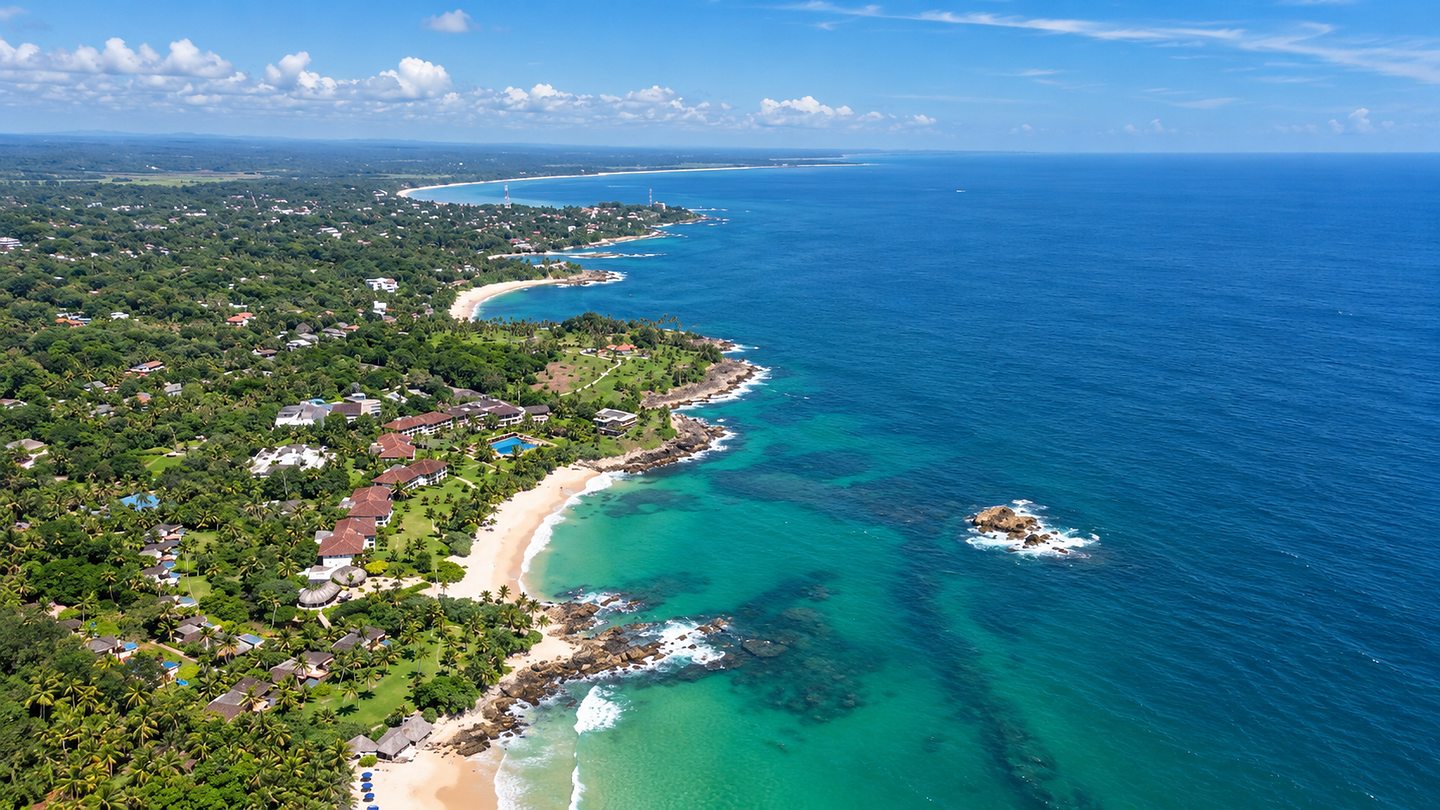
Six markets have been chosen and each gets its own creative: Australia first, then the United Kingdom, Germany, India, China and Russia. The angles differ by market in a way that suggests someone has looked at the data. Australia leads on beaches and wildlife. The UK and Germany lead on cultural heritage and wellness. India and China lead on air connectivity and group itineraries. It is a shift from the trade-show diplomacy of previous years toward something aimed directly at the person who will actually book the trip.
The Bureau has framed the effort around four goals: more arrivals, higher earnings, a wider spread of product, and a wider spread of geography. The revenue target is ten billion US dollars by 2030, which the Bureau has been explicit cannot be reached on volume alone. It requires longer stays and higher spend. In other words, it requires the kind of traveller who books a fortnight rather than a long weekend, and who goes somewhere other than the south-west coast.
The real bet is dispersal
Which brings us to the part of this campaign that deserves more attention than it is getting. A specific allocation is directed at the Northern and Eastern provinces, and the Bureau has named three destinations it wants to grow hardest before the December high season: Jaffna, Trincomalee and Arugam Bay. Alongside them sit the product pillars — wildlife, adventure, wellness, culinary, train journeys and community-based tourism.
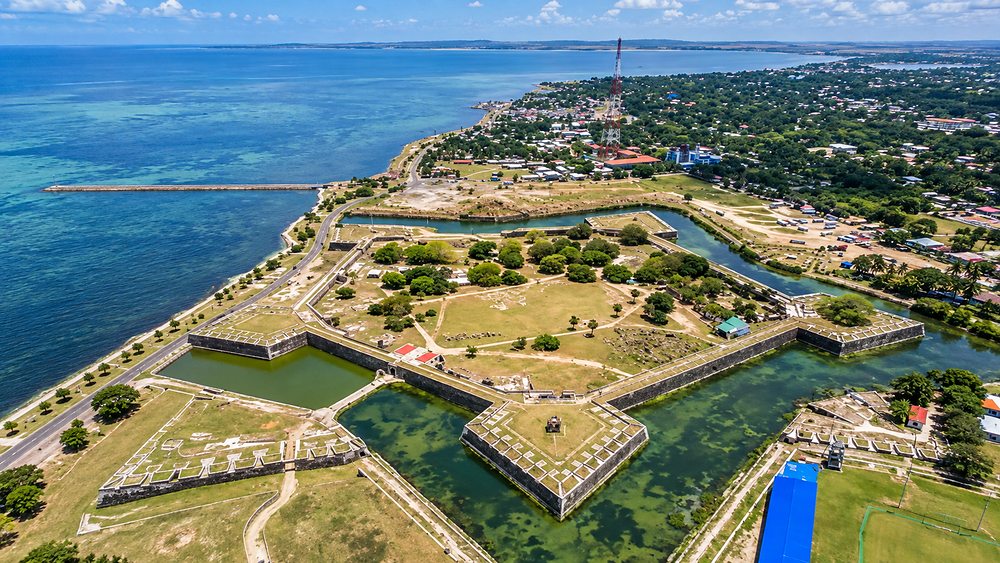
This is the right instinct. The south-west coast has carried Sri Lankan tourism for forty years and it shows, in December prices and in the queue at the Galle ramparts. The north and east are where the room is. Jaffna in particular is a genuinely distinct destination — Tamil, Hindu, palmyra-shaded, closer in feel to Tamil Nadu than to Kandy — and it has been reachable and calm for years without most of the world noticing.
You can move demand with a campaign. You cannot conjure beds with one.
The question the launch did not address is supply. When we built our own Jaffna coverage this month, the exercise was instructive: the peninsula has perhaps three properties a discerning traveller would actually book, and one of them has four rooms. Trincomalee is better served. Arugam Bay is seasonal by nature. If a five-million-dollar consumer campaign lands as intended and pushes meaningful demand north between now and April, the constraint will not be interest. It will be inventory, and inventory takes longer to build than a media plan takes to run.
There is a version of this that goes badly — demand arrives, rooms are scarce, prices spike, early visitors have a mediocre experience and say so. There is a better version, in which the campaign’s stated preference for community-based tourism is taken seriously and the growth is absorbed by guesthouses, family-run villas and small operators rather than waiting for international brands to arrive. The second version is slower. It is also the one that leaves something behind in the towns it passes through.
What has already changed
Two practical things have moved in the traveller’s favour and neither is widely understood yet. Since 25 May 2026, the tourist ETA has been free for nationals of forty countries, including all six target markets. It is still mandatory, applied for online before departure, and the distinction between free and not-required is currently catching people out at departure gates.
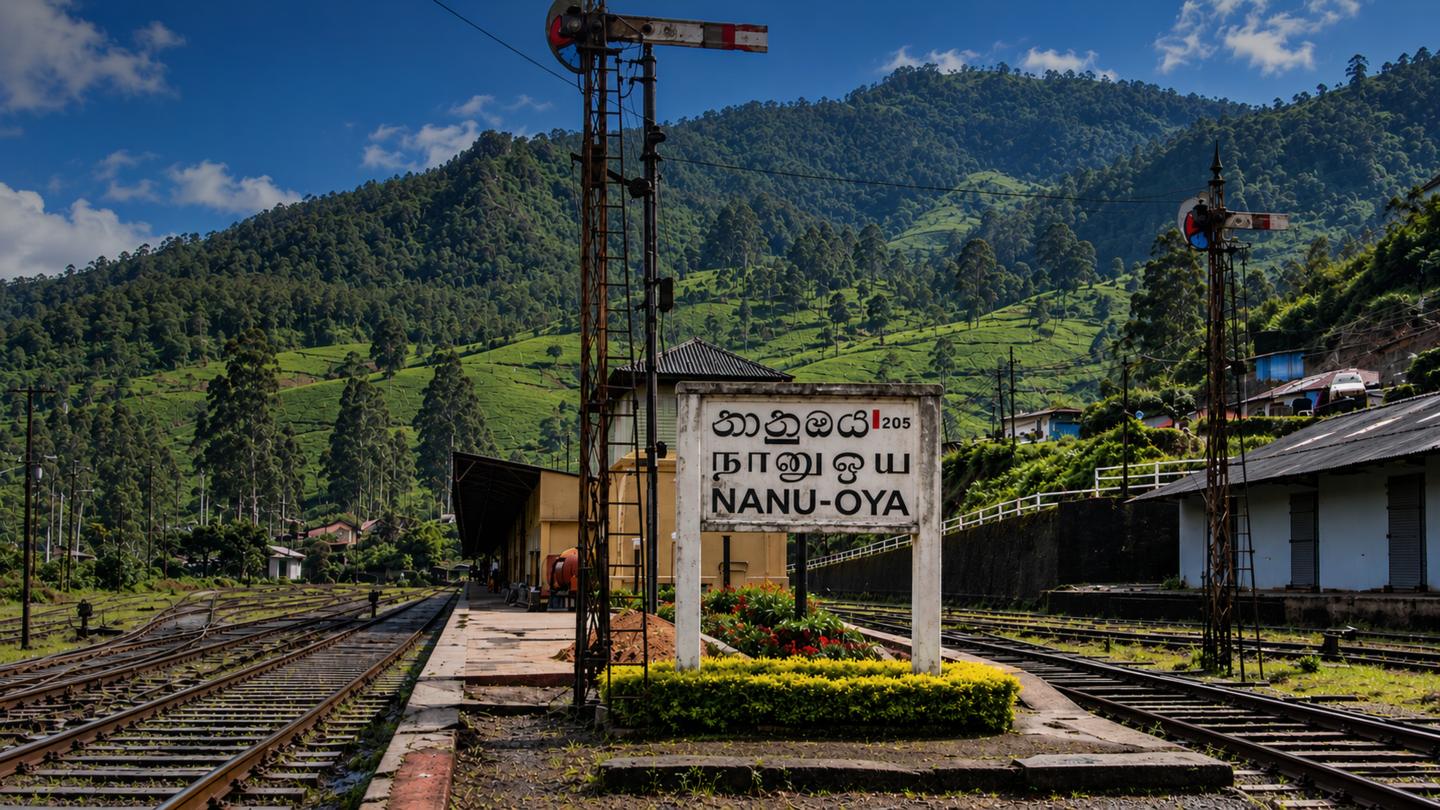
Air access has widened too, with direct and expanded services from Australia, India and China through the year. Rail is the exception: the hill country line remains partly closed after Cyclone Ditwah, and the Kandy to Ella journey that appears in almost every itinerary written about this country now requires a road leg. A campaign promoting train journeys will need to be careful about which train it shows.
Whether it works
Sri Lanka passed 1.1 million arrivals in the first half of 2026. The three-million target is now out of reach, and the Bureau has talked of 2.7 million for the year. The gap between those two numbers is where this campaign lives, and six months is not long to close it.
What is different this time is coherence. Sri Lanka has cycled through taglines for two decades — a land like no other, a small miracle, the wonder of Asia, so Sri Lanka, you will come back for more — each replacing the last before it had time to mean anything. Whether Sri Lanka in a New Light lasts longer than its predecessors will depend less on the words than on whether the Bureau holds its nerve on dispersal when the easy wins are still on the south coast.
For those of us who write about this island, the more useful measure is simpler. In April, will more people have been to Jaffna?
Plan around it

Leave a comment