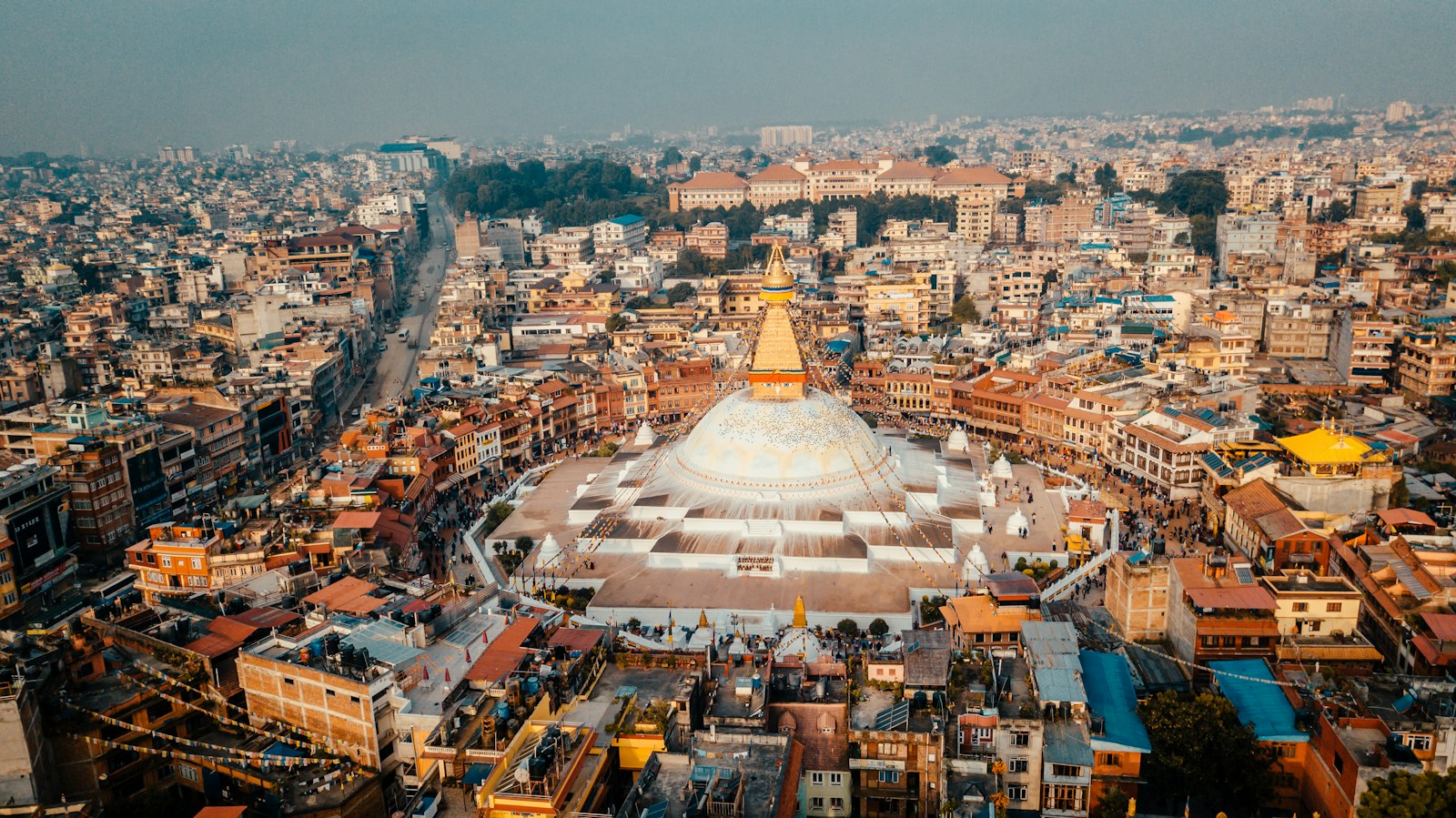
Editorial
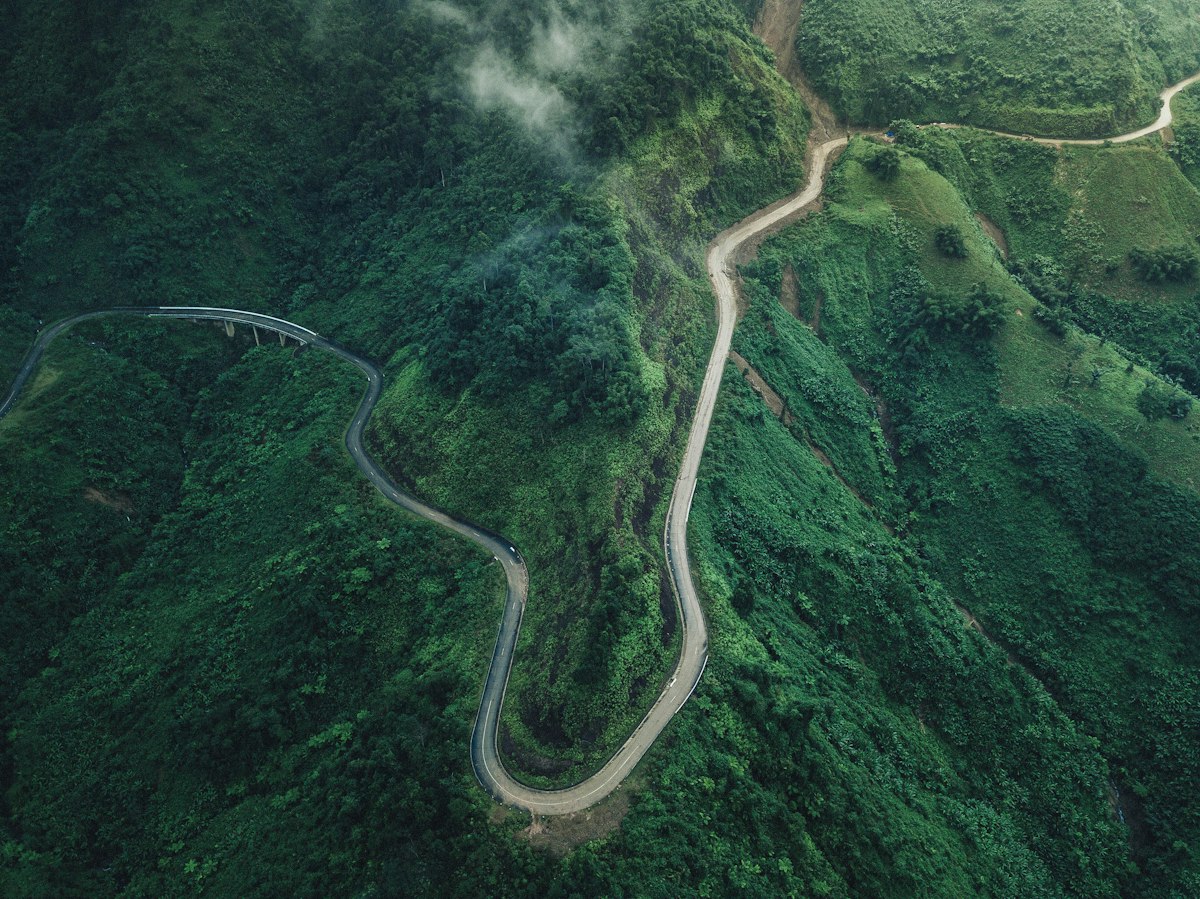
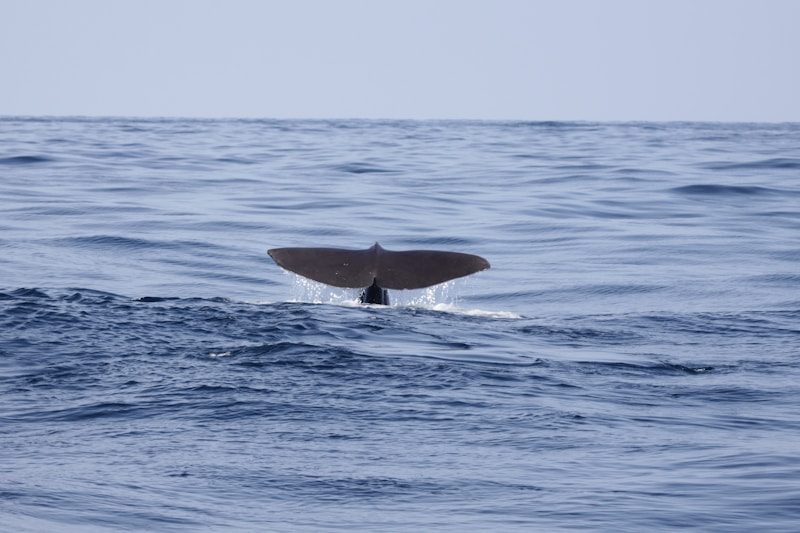
Every December, something extraordinary happens off the southern coast of Sri Lanka. The blue whales arrive — the largest animals that have ever existed on earth — and for four months they feed in the warm waters of the Indian Ocean just kilometres from shore.
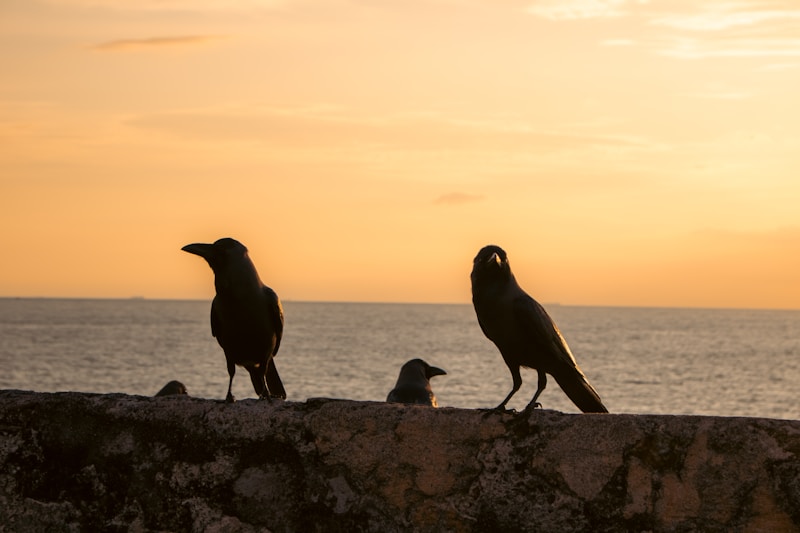
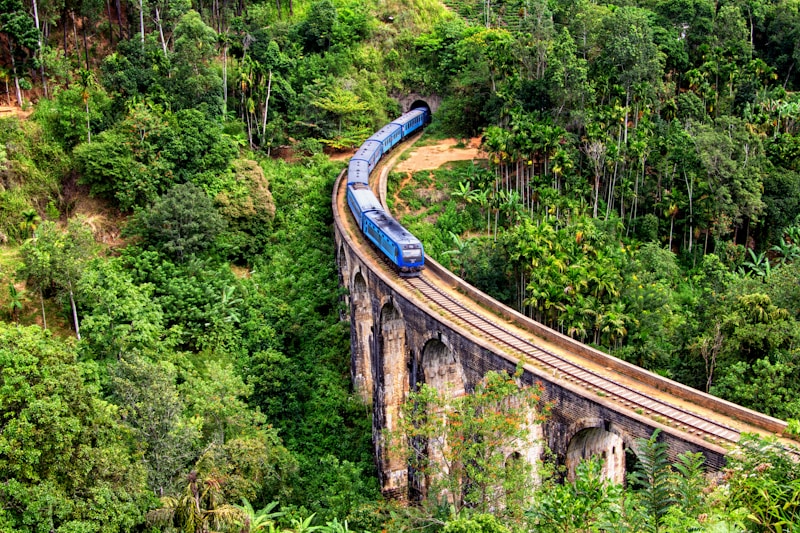
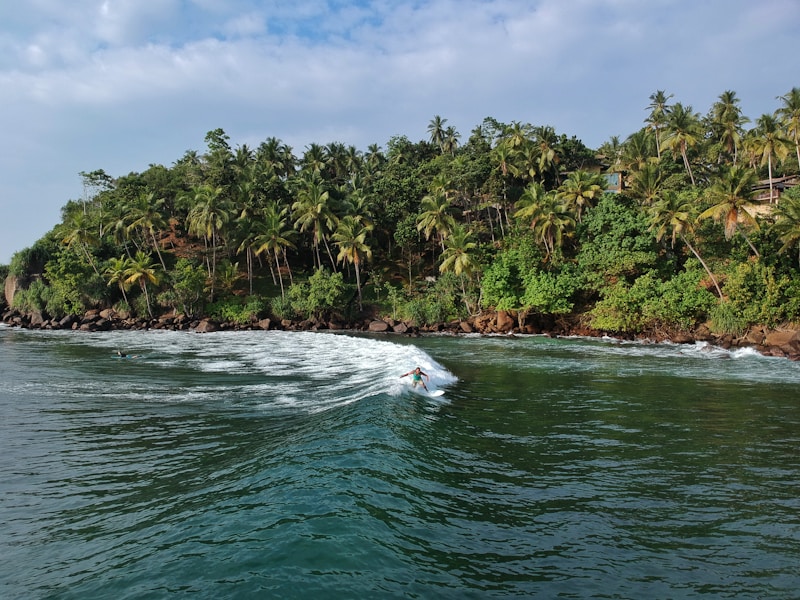

Sri Lanka has two monsoons, so somewhere on the island is almost always in season. The southwest (Yala) monsoon brings rain to the south and west coasts and the hill country from May to September; the northeast (Maha) monsoon soaks the north and east from October to January.
Most visitors mix scenic trains for long hauls, the PickMe app for tuk-tuks and taxis, and a private driver for trickier routes. The Southern Expressway now links Colombo, the airport and Galle in a couple of hours.
Every visitor needs an Electronic Travel Authorization (ETA) before arrival. From 25 May 2026, nationals of 40 countries — including the UK, EU, US, Canada, Australia, India and China — get a 30-day tourist ETA free of charge, with double entry. Other nationalities pay the standard fee (around US$50).
Sri Lanka is excellent value. In 2026, US$1 ≈ 296 LKR. Carry cash — tuk-tuks, markets and street food are cash-only — while resorts and supermarkets take cards.
The island is compact, warm and welcoming to children. Short drives connect beaches, wildlife and hills, and most hotels arrange cots, drivers and guides.
Travel lightly so the island stays the way you found it — a few simple choices make a real difference to wildlife, reefs and local livelihoods.
Build your perfect Sri Lanka itinerary in minutes.